The death of a parent or loved one is an emotional time, but it also comes with legal responsibilities….
The death of a parent or loved one is an emotional time, but it also comes with legal responsibilities.
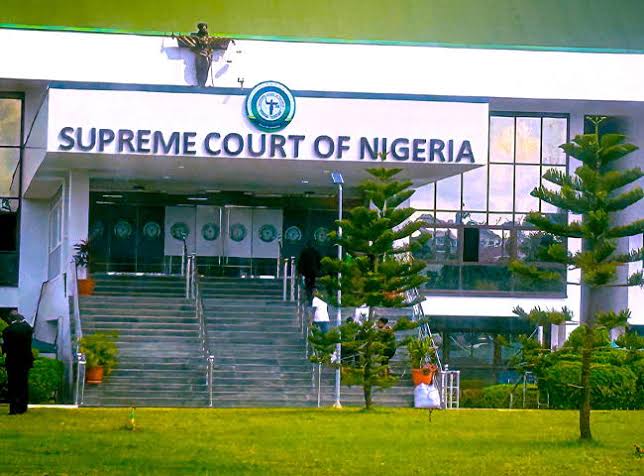
A recent Supreme Court judgment in Daura & Anor v. Union Bank of Nigeria Plc (2024) has reinforced important rules on estate administration in Nigeria.
Here are 10 key things every potential inheritor should know.
1. You Do Not Automatically Inherit Your Parent’s Debts
Under Nigerian law, debts are not hereditary. Simply being the child or beneficiary of a deceased person does not make you personally responsible for repaying their loans or financial obligations.
2. The Estate Must Settle Outstanding Debts First
Before any money, land, property or other assets are shared among beneficiaries, the deceased person’s estate must first pay all legitimate debts, taxes and financial obligations.
3. Letters of Administration Come With Legal Responsibilities
If you obtain Letters of Administration, you are no longer just a beneficiary.
You become the legal representative of the estate and are responsible for administering it in accordance with the law.
4. Don’t Share the Estate Too Quickly
Avoid distributing cash, vehicles, houses or other assets immediately after obtaining access to them.
Creditors may still have valid claims against the estate.
5. Find Out Whether the Deceased Owed Anyone
Before making distributions, investigate whether the deceased had:
Bank loans
Mortgages
Business debts
Personal loans
Tax liabilities
Guarantees for other people’s loans
Ignoring these obligations could create legal complications.
6. Beneficiaries and Administrators Are Not the Same
A beneficiary receives an inheritance. An administrator manages the estate.
If you perform both roles, your legal duties as an administrator come before your rights as a beneficiary.
7. Burial Expenses Don’t Erase Existing Debts
Using estate funds to pay for funeral or burial expenses does not remove the obligation to settle outstanding debts. Creditors may still lawfully seek payment from the estate.
8. Creditors Can Recover Money From the Estate
Banks and other creditors can legally pursue repayment from the deceased person’s estate if valid debts remain unpaid. Estate assets may have to be used to satisfy those obligations before beneficiaries receive their full inheritance.
9. Estate Planning Makes Life Easier for Families
Parents should inform trusted family members or executors about outstanding loans, mortgages and other financial commitments. Proper estate planning, including a valid will where appropriate, can prevent disputes and unnecessary litigation.
10. Seek Legal Advice Before Distributing Assets
Probate and estate administration can be complex. If there is uncertainty about debts, ownership of assets or the rights of beneficiaries, consult a qualified legal practitioner before distributing the estate.
The Supreme Court’s decision makes one principle clear: children do not inherit their parents’ debts, but an estate cannot be shared until its lawful debts have been settled.
Anyone administering an estate should ensure all liabilities are identified and discharged before distributing assets to beneficiaries. Doing otherwise could expose the administrator to legal consequences.