The Coordinating Minister of Health and Social Welfare, Muhammad Pate announced that the imported case of Ebola virus disease was confirmed by laboratory testing.
Pate made this known at a media briefing in Abuja on Tuesday, saying the patient is a woman with a recent travel history to East Africa, particularly Uganda.
Ebola disease is caused by viruses belonging to the genus Orthoebolavirus.
2. The disease can be deadly
Ebola is a severe illness that can lead to death, particularly when patients do not receive timely supportive medical care.
3. Ebola spreads through direct contact
The virus is transmitted through direct contact with the blood, secretions, organs or other body fluids of an infected person who is symptomatic, or with contaminated objects such as needles and bedding.
4. Symptoms may take days to appear
Symptoms usually begin between two and 21 days after exposure, with an incubation period commonly lasting eight to 10 days.
5. Early symptoms can resemble other illnesses
Initial symptoms may include fever, fatigue, headache, muscle pain and a sore throat.
6. There is no single treatment for every Ebola virus species
Treatment depends on the virus responsible for the infection.
7. Vaccines are available for certain types of Ebola
Vaccines have been developed against the Zaire Ebola virus species and have played an important role in outbreak response.
8. Healthcare workers and caregivers face significant risks
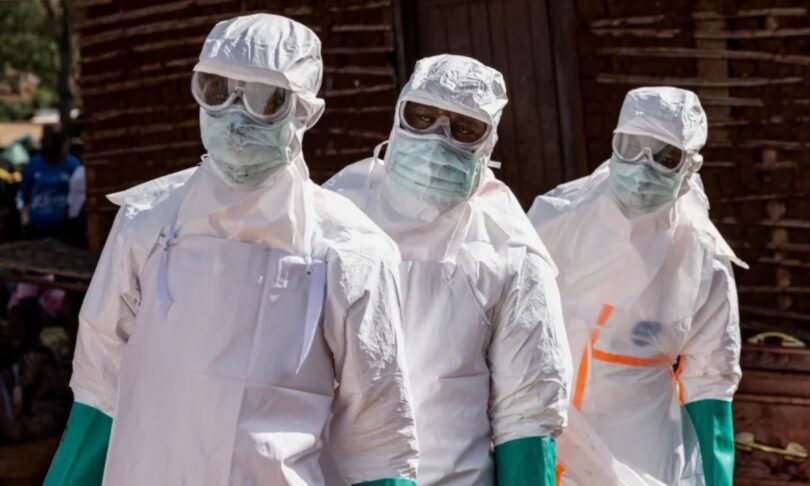
Healthcare workers, relatives and others caring for infected patients may be exposed to the virus if they come into contact with infectious body fluids without appropriate protective measures.
9. Early detection and isolation help control outbreaks
Prompt identification of suspected cases, laboratory testing, safe isolation, contact tracing and appropriate infection-control measures are essential to stopping the spread of Ebola.
10. Prevention requires public awareness and cooperation
Preventive measures include avoiding contact with the blood and body fluids of suspected or confirmed cases, following public health advisories, practising safe burial procedures and avoiding the handling of potentially infected animals.