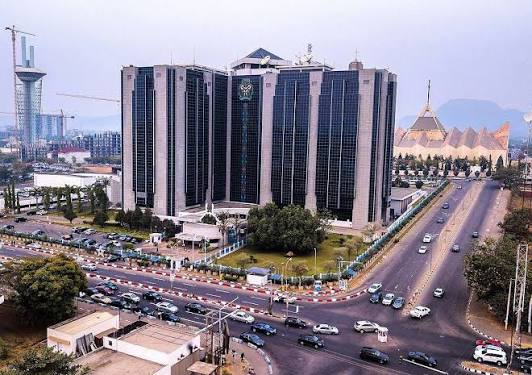
The Central Bank of Nigeria (CBN) has issued new regulatory guidance to govern how Bureau De Change (BDC) operators purchase foreign exchange from the Nigerian Foreign Exchange Market (NFEM) through authorised dealer banks….
The Central Bank of Nigeria (CBN) has issued new regulatory guidance to govern how Bureau De Change (BDC) operators purchase foreign exchange from the Nigerian Foreign Exchange Market (NFEM) through authorised dealer banks.
Here are the key provisions:
1. A new electronic portal is now mandatory
The CBN has introduced the FX BDC Purchase Tracker (FXBT), a centralised electronic portal through which all BDCs must submit purchase requests and transaction data for regulatory oversight.
2. Only licensed BDCs can participate
Only BDCs with a valid and subsisting CBN licence can access foreign exchange under the framework. Operators under suspension, sanction or regulatory restrictions are barred until those restrictions are lifted.
3. BDCs are free to choose any authorised dealer bank
Licensed BDCs can buy foreign exchange through any authorised dealer bank of their choice.
Banks are prohibited from imposing exclusivity arrangements, referral fees or any conditions limiting that choice.
4. Banks must carry out strict KYC checks
Before selling foreign exchange, banks must complete full Know-Your-Customer (KYC) and Customer Due Diligence (CDD) procedures, including verifying licences, tax records, CAC documents, beneficial ownership and contact details.
5. High-risk BDCs will face enhanced scrutiny
Banks are required to conduct Enhanced Due Diligence (EDD) for BDCs considered higher risk and must update customer records at least once a year or whenever ownership or operating status changes.
6. Multiple weekly purchase requests are allowed
BDCs may submit multiple purchase requests each week through the portal, provided they remain within the CBN’s prescribed weekly purchase limit.
7. Weekly forex purchases are capped at $150,000
A BDC cannot exceed the weekly cap of $150,000 across all authorised dealer banks.
Requests may be rejected if the operator has already reached the limit elsewhere.
8. Banks must respond quickly
Authorised dealer banks must acknowledge purchase requests within two business hours and immediately notify BDCs through the portal whether the request has been approved or rejected.
9. Rejected applications must include reasons
Banks cannot reject requests without explanation.
Acceptable reasons include incomplete KYC documentation, exceeding the weekly purchase limit, unresolved compliance concerns or internal risk considerations.
10. Third-party forex transactions are banned
Foreign exchange purchased through the framework must be credited only to the BDC’s registered settlement account. Payments to third-party accounts are prohibited and must be reported to the CBN.
11. Unused forex must be returned within 24 hours
Any foreign exchange purchased from the NFEM but not utilised must be sold back into the market within 24 hours after the utilisation period expires.
Failure to comply could result in forfeiture of the funds and suspension from the market.
12. BDCs face tougher reporting requirements
Operators must submit weekly electronic returns detailing:
Total foreign exchange purchased.
Total forex sold to end users by transaction category.
Unutilised balances and how they were disposed of.
Breakdown of electronic and cash settlements.
13. Violators face stiff sanctions
The CBN warned that breaches of the new guidelines could attract severe penalties, including:
Monetary fines.
Suspension from accessing the NFEM.
Suspension or withdrawal of BDC licences.
Revocation of authorised dealer status for banks found complicit.
Referral to law enforcement agencies where criminal conduct is suspected.
The apex bank said the new framework takes immediate effect and is designed to improve transparency, efficiency, market liquidity and orderly participation in the retail foreign exchange market.