A pilot lung health project in Niger State screened 113,935 people for tuberculosis, asthma and pneumonia, and detected 1,536 cases of the three diseases.
The project, implemented by Project HOPE under the Expanding Access to Lung Health and Tuberculosis (EXALT TB REACH) initiative, recorded 263 tuberculosis cases, 468 asthma cases and 805 pneumonia cases across three local government areas between October 2024 and June 2026.
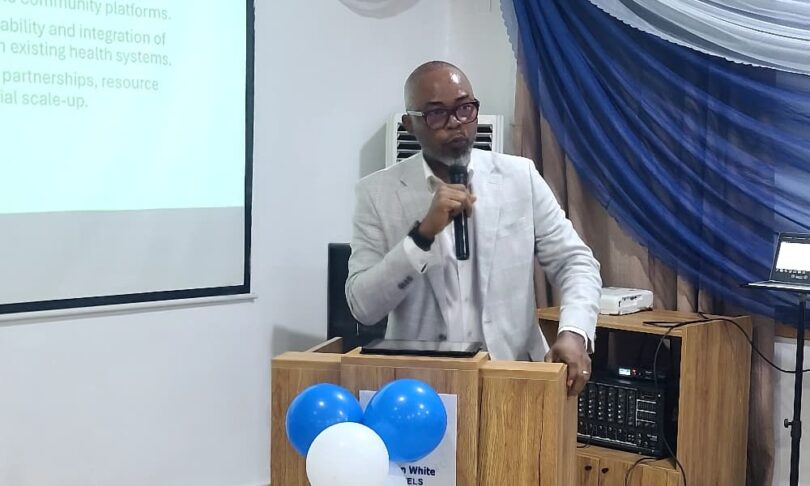
The results were presented on Monday at the EXALT TB REACH Project Dissemination event held at Bolton White Hotel, Abuja.
The intervention covered Paikoro, Gurara and Suleja LGAs through 15 primary healthcare centres and community-based screening platforms.
According to Project HOPE, 84,803 people were screened in primary healthcare facilities, including 22,469 pregnant women and 41,320 children attending antenatal, immunisation and nutrition clinics.
Another 25,777 people were screened through community activities, while patent medicine vendors and traditional birth attendants screened an additional 3,355 people.
Of the 263 tuberculosis cases detected, 233 were confirmed through bacteriological diagnosis, including 134 using TB LAMP, 90 through GeneXpert and nine through AFB microscopy.
A total of 259 tuberculosis patients were linked to treatment, while 783 of the 805 pneumonia patients and 335 of the 468 asthma patients also received treatment.
Project HOPE Country Director, Dr Chidimma Anyanwu, said the project was designed to move away from treating respiratory diseases separately by integrating tuberculosis, asthma and pneumonia services within primary healthcare and community platforms.
“The idea was simple: people do not come to our health facilities carrying disease labels. They come with symptoms,” she said.
“A patient comes with cough, difficulty in breathing, fever or chest pain. They do not say, “Today I am here for the TB, and tomorrow I will come back for asthma.
“So, if the patient sees the whole picture, perhaps our health system should too.”
The project also strengthened health system capacity by training 80 frontline workers, including primary healthcare workers, CHIPS agents, laboratory personnel and linkage coordinators.
Nine primary healthcare centres received spirometers, while facilities were equipped with peak flow meters and pulse oximeters to improve respiratory screening and diagnosis.
The Programme Manager, Kennet Ojobor, said the project improved case detection compared with conditions before the implementation.
According to Ojobor, baseline assessments found that only 24 tuberculosis cases, 26 pneumonia cases and 20 asthma cases had been detected across supported facilities over one year before the intervention.
“We were able to have 259 TB cases after the period of one year,” he said.
“We diagnosed 805 pneumonia cases under the period of one year.”
“For asthma, we diagnosed 468 cases of asthma.”
Apart from respiratory illnesses, the project also identified other health conditions during community screening.
Ojobor said portable digital X-ray screening helped detect 52 cardiovascular-related conditions, including cardiomegaly and hypertensive heart disease, with affected patients referred for further care.
Among 82 tuberculosis patients who began treatment between January and June 2025, 75 completed treatment successfully or were cured, representing a 91 per cent treatment success rate.
The project also recorded improvements in childhood tuberculosis detection, with children accounting for 7 per cent of tuberculosis cases detected during implementation, above Niger State’s previous average of 5 per cent.
Despite the gains, Project HOPE identified several challenges, including long distances to molecular diagnostic centres, transport costs, periodic shortages of diagnostic commodities, staffing constraints and the limited availability and affordability of asthma and pneumonia medicines.
The organisation proposed that future implementation should strengthen referral support, ensure commodity security, improve access to non-tuberculosis medicines and expand government-led sustainability efforts.
Anyanwu had said the project’s long-term value would depend on whether its lessons become part of routine healthcare delivery.
“Projects have end dates. Good ideas should not.”
“Evidence should travel. Lessons should inform policy. Successful approaches should be absorbed into systems that will continue long after project funding has ended,” he said.