
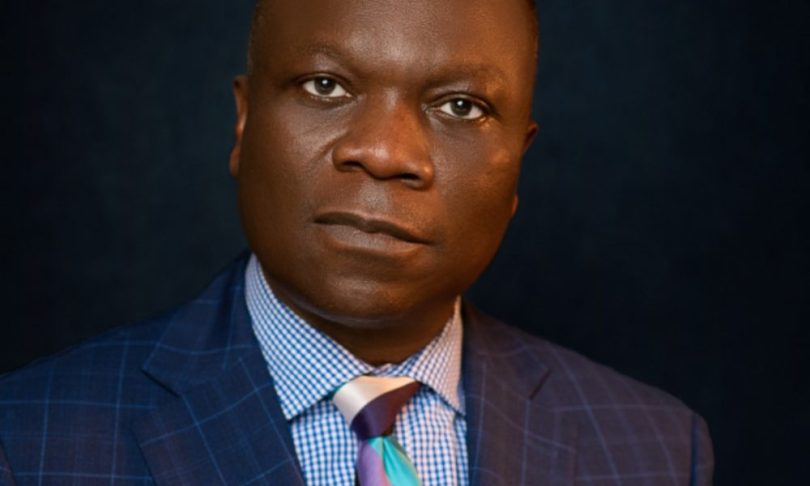
Banwo, who has consistently advocated for governance reforms and greater accountability in public institutions, raised the issue in a post published on his Facebook page, where he challenged what he described as the continued operation of a long-standing practice without clear constitutional backing.
In the post, Banwo wrote: “There is no provision for security vote in the constitution, and the NASS never passed any law for it.
You May Like:SENATOR REMI TINUBU AND THE KULI-KULI ECONOMY – Practical Solution For Youth Unemployment Or A Failure of Imagination By The First Lady?
“Yet every president gives and our unaccountable governors collect and chop it like it’s their personal money.”
The statement has generated reactions on social media, with some Nigerians echoing his concerns about accountability in the management of security-related funds, while others argued that security votes have become an established administrative practice aimed at addressing urgent security challenges facing the country.
Although security votes have been a feature of governance at the federal and state levels for decades, their administration has repeatedly attracted public scrutiny because details of how the funds are disbursed and spent are generally not disclosed to the public.
Banwo’s latest intervention adds to ongoing public conversations about transparency, fiscal responsibility, and the need for reforms in government spending, particularly as the country prepares for another electoral cycle.
With the 2027 general elections drawing closer, issues bordering on governance, insecurity, economic reforms, public accountability, and constitutional compliance are expected to feature prominently in political campaigns and public discourse.
In recent months, Banwo has remained vocal on several national issues, using his public platforms to advocate what he describes as a more accountable, transparent, and people-centred system of governance. Through the Naija Lives Matter movement, he has consistently urged citizens to demand greater responsibility from elected officials and institutions.
His latest comments have once again drawn attention to the long-running debate over security votes, with observers noting that questions surrounding their legal framework, oversight, and accountability have persisted for years without a definitive legislative or judicial resolution.
While Banwo did not propose specific legislative measures in his post, his remarks underscore growing calls from some civil society advocates and public commentators for a review of the administration of security votes and greater transparency in the management of public funds.
As Nigeria moves towards the 2027 elections, discussions around constitutional governance, fiscal accountability, and public sector transparency are expected to remain central to national conversations, with many stakeholders urging reforms that strengthen public confidence in democratic institutions.