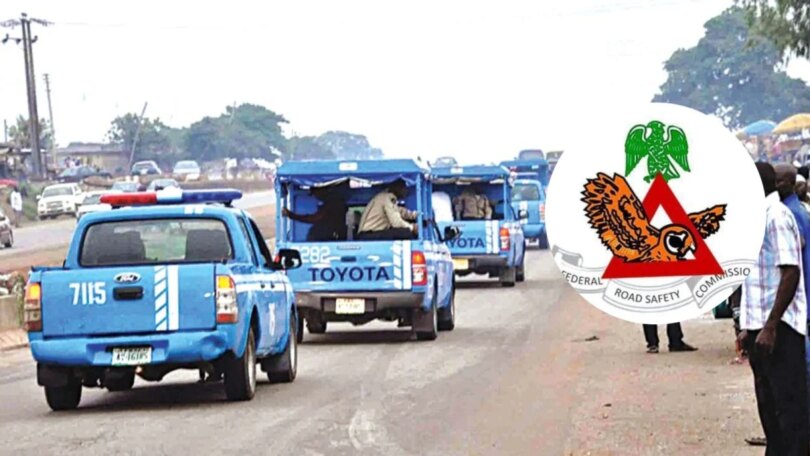
The Federal Road Safety Corps (FRSC) has prohibited its personnel from escorting politicians and providing convoy services during campaigns for the 2027 general elections, warning that official vehicles, patrol equipment and sirens must not be used for political purposes.
The directive was issued by ACM Abimbola Owolabi, the Zonal Commanding Officer in charge of RS6, during her maiden visit to the Cross River State Command in Calabar on Wednesday.
She stressed that officers must remain focused on their statutory responsibilities and avoid activities that could compromise the neutrality and professionalism of the corps.
Owolabi said FRSC patrol vehicles and sirens were strictly meant for authorised operations and must not be deployed to serve the interests of politicians or individuals.
According to her, “patrol vehicles and sirens must not be used for political activities or private engagements, including weddings and funeral processions.”
She also directed personnel assigned to campaign venues to concentrate on traffic control and road safety rather than providing security or escort services for political candidates and their supporters.
She said “officers deployed to campaign venues to focus exclusively on traffic management to prevent congestion and road crashes.”
The directive comes as political parties and their candidates prepare for the 2027 general elections, when campaign activities are expected to increase movement across major highways, urban centres and other public roads.
Large political rallies and campaign convoys often attract significant traffic, particularly when several vehicles move together through busy roads.
Such activities can create congestion, obstruct other road users and increase the risk of accidents when traffic regulations are ignored.
By restricting its personnel to traffic management duties, the FRSC leadership is seeking to ensure that officers deployed to political events prioritise the safety of motorists, pedestrians and other road users.
Owolabi warned that officers must not lead political convoys or provide escorts for politicians, adding that any use of official vehicles outside approved duties would amount to an unauthorised deployment of government resources.
She urged personnel to understand the boundaries of their responsibilities and ensure that their conduct does not create the impression that the corps is serving the interests of particular political figures or parties.
Beyond the restriction on political activities, the zonal commander called for renewed commitment to public education on road safety, describing sustained awareness campaigns as an important tool for reducing crashes and preventing deaths on Nigerian roads.
She encouraged officers to intensify sensitisation programmes for motorists and other road users, particularly on compliance with traffic regulations, responsible driving and the dangers of reckless behaviour behind the wheel.
Owolabi said the corps must continue to work towards its road safety objectives by combining enforcement with public education, effective patrols and prompt responses to emergencies.
She also expressed concern over extortion, corruption and other forms of misconduct among personnel, warning that such practices could damage the reputation of the organisation and weaken public confidence in its operations.
“Misconduct by patrol operators and other personnel undermines public confidence in the corps. Officers must be extremely accountable across operational units,” she said.
The zonal commander urged officers to demonstrate integrity in their dealings with motorists and members of the public.
She stressed that accountability must remain a priority across operational units, particularly among personnel responsible for enforcement on highways.
She further advised officers to exercise caution during enforcement operations, noting that avoidable confrontations could expose them to assaults, injuries and damage to their uniforms.
According to her, personnel must remain professional when dealing with motorists, especially in situations where tempers are high and disagreements could quickly escalate into violence.
She urged officers to exercise discretion and apply the law appropriately while ensuring that their actions do not unnecessarily endanger themselves or members of the public.
Owolabi also called for stronger cooperation between the FRSC and private operators to improve the removal of broken-down vehicles from highways.
She said abandoned or disabled vehicles could obstruct traffic and contribute to road crashes if they were not cleared promptly.
She emphasised the need for effective coordination among relevant stakeholders to ensure that traffic obstructions were addressed without unnecessary delays.
The zonal commander further called for improved emergency response and rescue operations, urging personnel to intensify patrols and remain prepared to respond swiftly to road crashes.
She said timely intervention could help reduce the severity of accidents, improve rescue efforts and prevent avoidable fatalities.
Owolabi also reminded officers that effective service delivery required discipline in administrative duties, including the proper handling of official correspondence and requests for operational support.
“I urge FRSC personnel to maintain high standards of service delivery, process official correspondence carefully and ensure requests for operational support are properly documented,” she said.
She encouraged personnel to pay greater attention to their health and take advantage of the National Health Insurance Scheme, noting that their physical well-being was important to their ability to perform demanding duties.
The zonal commander also appealed to the wives of FRSC personnel under the Road Safety Officers’ Wives Association (ROSOWA) to continue supporting their husbands as they carry out their responsibilities.
She said support from their families could help officers remain committed to their duties and contribute to efforts to protect lives on Nigerian roads.