
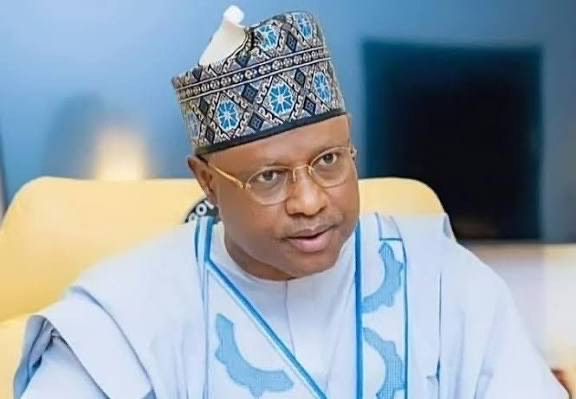
The governor argued that narratives on platforms such as X (formerly Twitter), Facebook and Instagram often do not reflect the realities of voter behaviour during elections
Kaduna State Governor, Uba Sani, has said President Bola Tinubu would only lose the 2027 presidential election if voting were conducted on social media platforms, insisting that real electoral strength lies at the polling units.
“If the election is going to be conducted on Twitter, Facebook, Instagram, or social media, Asiwaju will lose. But if it is people who will vote through the ballot at polling units, he is going to win 70 per cent of the votes,” he said.
The governor argued that narratives on platforms such as X, Facebook and Instagram often do not reflect the realities of voter behaviour during elections.
His comments come amid sustained online political engagement ahead of the 2027 general elections, with supporters of Peter Obi maintaining a strong digital presence since the 2023 presidential poll.
In the 2023 election, Mr Obi, candidate of the Labour Party, enjoyed widespread visibility and social media mobilisation, especially among young and urban voters.
However, President Tinubu of the All Progressives Congress (APC) secured victory with a broader vote spread across states, reflecting the continued importance of grassroots political structures.
Mr Sani also defended the president’s performance, saying Mr Tinubu has provided unprecedented support to subnational governments.
“President Tinubu is supporting subnationals more than any person in this country,” he said.
The media team inspected ongoing federal government projects, including the Abuja–Kaduna Expressway, expressing optimism that the road would be completed before the end of 2026.
Political activities and alignments have begun to gather momentum ahead of 2027, with debates increasingly shifting between digital influence and on-ground political machinery.
Analysts say while social media has become a powerful tool for shaping narratives and mobilising younger voters, Nigeria’s elections are still largely determined by party structures, voter turnout, and grassroots networks across the country’s 176,000 polling units.