
The Federal Government has authorised a fresh round of petrol and diesel import permits for the third quarter of 2026.
The move signals government’s determination to maintain fuel supply stability despite an ongoing legal dispute with Dangote Petroleum Refinery over import licensing.
The approvals, issued through the Nigerian Midstream and Downstream Petroleum Regulatory Authority, NMDPRA, cover the July–September period and were granted amid concerns about declining fuel inventories, anticipated supply gaps, and reduced petrol output from the Dangote Refinery.
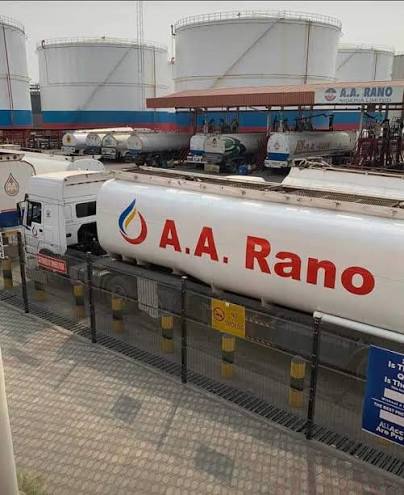
According to a report by global energy intelligence firm Argus Media, several major downstream operators, including AA Rano, AYM Shafa, Bono Energy, Nipco, Matrix Energy and Pinnacle Oil, received authorisation to import Premium Motor Spirit, PMS, commonly known as petrol.
Most of the companies also secured approvals to import Automotive Gas Oil, AGO, or diesel.
Industry sources indicated that the permits were issued to avert potential shortages and ensure uninterrupted fuel availability across the country while domestic refining capacity continues to expand.
The latest approvals follow an earlier allocation of petrol import licences in May covering about 720,000 metric tonnes.
Regulatory sources cited by Argus said many of the companies approved for the new round had also benefited from previous allocations.
Under the new approvals, AA Rano and Matrix Energy reportedly received permits for 180,000 metric tonnes of petrol each, while AYM Shafa was allocated 120,000 metric tonnes and Pinnacle Oil 150,000 metric tonnes.
For diesel imports, AYM Shafa obtained approval for 60,000 metric tonnes, while Pinnacle Oil secured 45,000 metric tonnes.
Officials familiar with the process disclosed that the approvals were delayed beyond the initial June 15 target date but were ultimately granted to address projected supply deficits.
Industry estimates suggest that total petrol import volumes for the third quarter could exceed 800,000 metric tonnes, surpassing second-quarter allocations.
The move comes as fuel stock levels continue to tighten. Data referenced in the Argus report showed that petrol stock sufficiency declined to 16 days in May, while diesel inventory coverage dropped to 31 days.
Analysts attributed part of the pressure on supply to lower petrol production at the Dangote refinery.
The facility’s gasoline output reportedly fell by 16 per cent to 44.7 million litres per day, while diesel production increased by four per cent to 24.5 million litres daily.
Sources familiar with refinery operations linked the reduction in petrol output to maintenance activities on the Residual Fluid Catalytic Cracker, a critical gasoline-producing unit. However, refinery officials declined to provide detailed comments on the development.
The report also noted that falling international fuel prices could encourage greater import activity.
Benchmark gasoline and diesel prices in global markets have declined significantly in recent weeks, improving import economics for marketers seeking to supplement domestic supply.
Despite the fresh approvals, industry observers believe actual import volumes may fall below authorised levels. Preliminary vessel-tracking data suggests independent marketers may import substantially less than the volumes approved, partly due to the timing of permit issuance and prevailing market conditions.
The development comes against the backdrop of a renewed legal challenge by Dangote Petroleum Refinery, which is seeking to overturn fuel import licences issued to marketers and the Nigerian National Petroleum Company Limited, NNPCL.
The refinery argues that fuel imports should only be permitted when local production is insufficient to meet domestic demand.
In a suit filed before the Federal High Court in Lagos, Dangote is seeking the cancellation of import licences issued by the NMDPRA, contending that they undermine local refining operations and conflict with existing legal provisions.
Regulators and fuel marketers, however, maintain that imports remain necessary to bridge supply gaps and safeguard energy security.
The NMDPRA has consistently argued that imported products continue to complement domestic production and help prevent shortages in the market.
The regulator has also stated that the Dangote refinery currently accounts for more than 90 per cent of Nigeria’s daily petrol supply requirements.
Meanwhile, President of the Dangote Group, Alhaji Aliko Dangote, recently disclosed that the refinery is operating at approximately 661,000 barrels per day, exceeding its installed nameplate capacity of 650,000 barrels per day.
He maintained that the facility possesses the capacity to meet local demand while supporting exports to regional markets.