
He said that laboratory tests had ruled out major viral haemorrhagic fevers, including Ebola, Marburg, Rift Valley fever, Yellow fever and Crimean-Congo haemorrhagic fever.
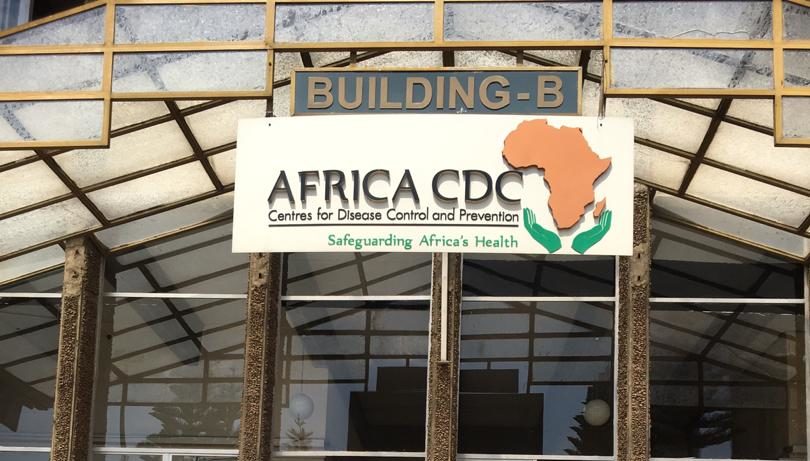
The Africa Centres for Disease Control and Prevention (Africa CDC) has expressed concern over a cluster of undiagnosed illness in Burundi, where 35 confirmed cases and five deaths have been recorded so far.
Mr Boum said the outbreak, first detected on 30 March, was concentrated in the Rugazi and Kibuye zones of Mpanda District, with cases mainly occurring within households and among close contacts.
According to him, the transmission pattern raises concerns about a possible infectious agent, although the exact cause of the illness remains unknown.
He explained that patients presented symptoms including fever, vomiting, diarrhoea, headache, abdominal pain and fatigue, while severe cases showed neurological signs, jaundice, anaemia and respiratory distress.
He said that laboratory tests had ruled out major viral haemorrhagic fevers, including Ebola, Marburg, Rift Valley fever, Yellow fever and Crimean-Congo haemorrhagic fever.
Mr Boum said the aetiology remained unknown and investigations were ongoing using a One Health approach involving both human and animal health experts.
He added that a multisectoral rapid response team had been deployed, with interventions such as case isolation, clinical management, active case finding and community sensitisation already underway.
He also said the Burundi outbreak was among 92 moderate-to-high-risk public health events recorded across Africa in 2026, reflecting growing threats from emerging and re-emerging diseases.
On measles, he said Africa had recorded 66,736 cases and 493 deaths across 21 member states as of epidemiological week 14, highlighting ongoing gaps in vaccination coverage.
On cholera, he said that Africa accounted for 59 per cent of global cases and 99 per cent of deaths, with Nigeria, Burundi and Malawi reporting recent increases in transmission.
He added that mpox cases had declined significantly across the continent, dropping by nearly 90 per cent compared to 2025, following expanded vaccination and stronger health system integration.(NAN)