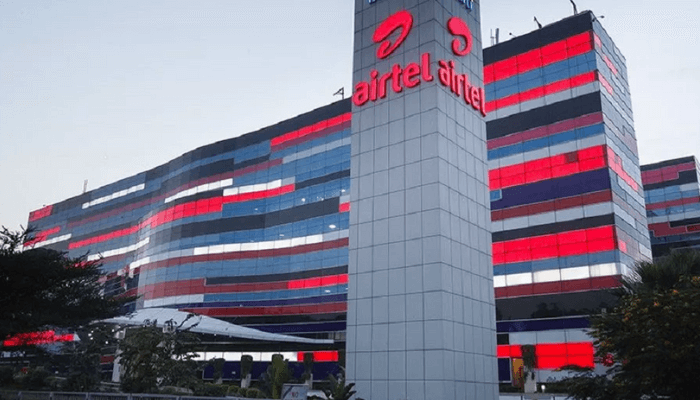
Airtel Africa has reported a reduction in diesel consumption across its operations as part of its sustainability program.
According to the company’s Sustainability Report 2026, the telecom operator cut diesel use by approximately 9.1 million litres while converting more than 950 network sites from off-grid power sources to grid electricity.
The number of converted sites represents an increase from 500 sites transitioned in the previous year.
Airtel Africa said the shift is aimed at lowering carbon emissions and reducing the environmental impact of powering its network infrastructure across 14 African markets.
Chief Executive Officer of Airtel Africa, Sunil Taldar, said sustainability is part of the company’s long-term growth strategy. The company remains focused on expanding digital connectivity while reducing its carbon footprint, he stated.
The diesel reduction forms part of Airtel Africa’s broader climate goals.
The company has set a target to achieve net-zero greenhouse gas emissions by 2050. It has also established an interim goal to reduce the intensity of its Scope 1 and Scope 2 greenhouse gas emissions by 62 percent by 2032.
The Sustainability Report also highlighted developments in digital and financial inclusion.
Airtel Africa’s network coverage now reaches 81.9 percent of the population within its operating markets, while rural coverage stands at 73.1 percent.
Smartphone penetration among customers increased to 49.5 percent.
Airtel Money, the company’s mobile money service, serves more than 54 million customers.
The platform processed approximately $196 billion in transaction value during the reporting period.
The report noted that 94 percent of waste generated across Airtel Africa’s operations was recycled during the year.
Through a partnership with UNICEF, the company has also supported efforts to connect more than 3,000 schools to the internet, providing students with access to digital learning resources.
Airtel Africa said it will continue to align network expansion with environmental responsibility as it works toward its emissions and inclusion targets.