BEN AHANONU
In Nigerian politics, statements of absolute conviction often have an exceptionally short shelf life, a reality illustrated starkly by the recent political volte-face of the former Governor of Ekiti State, Ayodele Fayose.
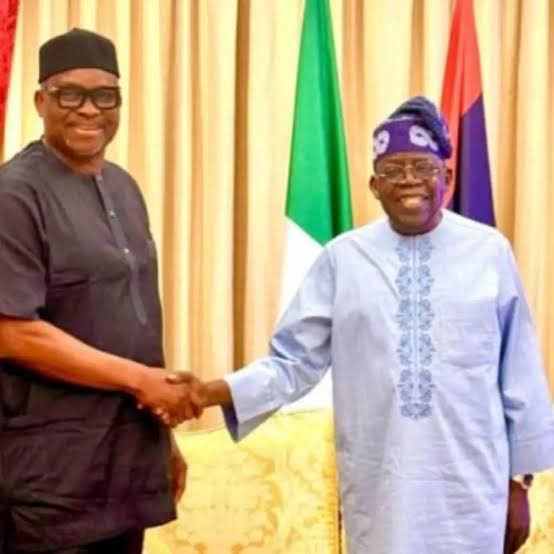
In late 2025, Fayose appeared on national television and delivered what sounded like a definitive retirement speech, boldly claiming to have rejected an appointment from President Bola Tinubu by declaring: “At 65, I’d rather be at home, being more responsible, doing other things than work under APC.” Yet, barely months later, the Presidency announced Fayose as the new Board Chairman of the Rural Electrification Agency (REA). His swift acceptance of this role, announced by Presidential Spokesperson Bayo Onanuga, completely dismantles his short-lived rhetoric of principles, highlighting the transactional nature of the political class and leaving the public wondering if any statement from a Nigerian politician can be taken at face value.
For over a decade, Fayose positioned himself as the fierce, grassroots defender of the Peoples Democratic Party (PDP) and a vocal critic of the ruling All Progressives Congress (APC), building an anti-establishment persona that supposedly refused to bow to federal power. However, his political trajectory from October 2025—when he declared he would rather stay home—to mid-2026, when he began publicly defending the administration and claiming Tinubu would win the 2027 election easily, exposes a deep-seated opportunism. His ultimate acceptance of the federal appointment in July 2026 proves that his previous declarations were not anchored in ideological opposition to the APC’s policies, but were instead strategic posturing designed to raise his political stakes and leverage a better deal.
The choice of agency for his return to public service is equally telling, as the REA manages a massive budget earmarked for national sustainable energy infrastructure. By accepting this specific role, Fayose has traded the quiet, “responsible” life at home he claimed to desire for a seat at the table of federal patronage. This appointment reveals how the ruling government actively uses federal boards to absorb and neutralise opposition figures; for Tinubu, appointing a former adversary secures a crucial foothold in Southwest regional politics, while for Fayose, it ensures continued relevance and access to state resources, showing that the allure of public office remains irresistible to Nigeria’s ageing political elite.
Ultimately, Fayose’s swift abandonment of his public vow deals another blow to the credibility of Nigerian democracy, deepening public cynicism at a time when citizens are already disillusioned with the political class. When a prominent leader dismisses an administration’s ideology on national television only to join that same administration months later, it reinforces the perception that the divide between major political parties is entirely artificial. In Nigeria, political alignment is rarely about serving the collective good or advancing policy; it is almost always about personal survival, convenience, and maintaining proximity to power.
Prince Ben AHANONU
SPOKESPERSON
ALAIGBO POLITICAL WATCHDOG