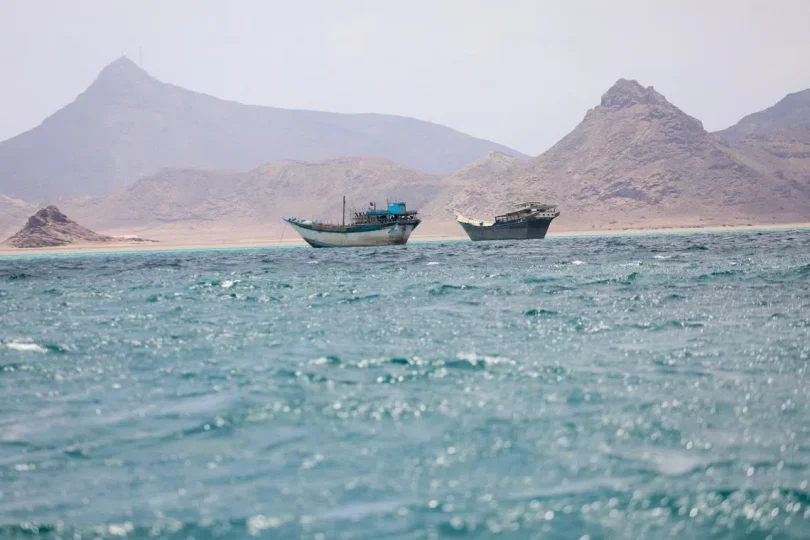
NEW DELHI – The number of vessels passing through Bab el-Mandeb rose to 28 on July 27, a four-day high, while traffic through the Strait of Hormuz remained low, according to Kpler shipping data, amid optimism about a potential resolution to the US-Iran conflict.
Traffic was still below the month’s peak of 46 vessels recorded on July 14, the data showed.
US President Donald Trump said on July 27 that Washington’s negotiations with Iran were progressing and could lead to a resolution, but warned that military action could restart if the talks collapsed. Iran issued similar comments about retaliation.
Out of 12 vessels that entered the Red Sea on July 27, four were oil tankers, based on the data at 0512 GMT (1.12pm Singapore time) on July 28. One was a very large crude carrier (VLCC), two were Suezmax tankers and the fourth was an Aframax tanker.
A VLCC can carry about 2 million barrels of oil, while a Suezmax typically carries half that volume. An Aframax tanker can transport about 700,000 barrels of oil.
The 16 vessels that exited the Red Sea on July 27 included 10 oil tankers. There were four Suezmax tankers, three Aframax tankers, two medium range tankers and one VLCC, the data showed.
Hong Kong-flagged VLCC New Pearl carrying 2 million barrels of Saudi crude exited the Red Sea for eastern China’s Zhoushan port, the fourth Chinese supertanker to leave since the Houthis declared a naval blockade.
Strait of Hormuz
Traffic via the Strait of Hormuz stayed low with six commodity-carrying vessels transiting the waterway on July 27, including one Iranian-linked Suezmax tanker and a VLCC which entered with its transponder off, the data showed. Of those vessels, four entered the strait and two exited it.
Seven vessels transited the strait on July 26, including three Iranian-linked oil products tankers that exited the strait. REUTERS