BP wants to sell its British oil and gas fields in the North Sea as new chief executive officer Meg O’Neill accelerates a sweeping portfolio overhaul aimed at improving profitability.
A day earlier, British Prime Minister Andy Burnham said he planned to take a “pragmatic” approach to developing and using oil and gas resources in the North Sea, setting out his position after US President Donald Trump said the basin would be opened up.
“The North Sea remains integral to the UK’s energy system. However, as we focus our portfolio and direct capital to our highest-value opportunities, we believe our North Sea business will be better positioned as part of another company,” O’Neill said in a statement.
ExxonMobil, Chevron, ConocoPhillips, Shell, TotalEnergies and Eni have all sold, merged, spun off or otherwise reduced their operations in the ageing basin in recent years as production there falls and other locations offer more profitable projects.
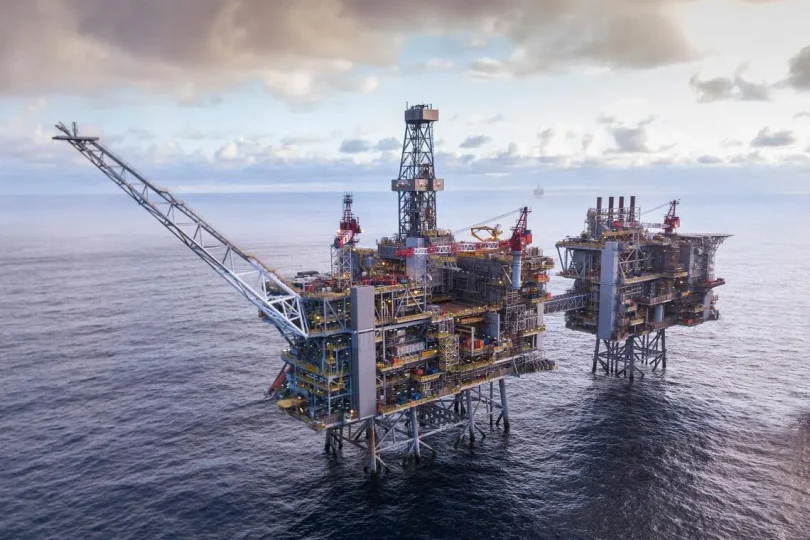
BP, formerly known as British Petroleum, has worked in the North Sea for more than six decades and operates five major production hubs in the region, including the Clair oilfield, the largest on the UK continental shelf.
BP, which is expanding in regions such as the United States and Brazil, generated about 5 per cent of its oil and gas output from the British North Sea last year, around 117,000 barrels out of a total of 2.3 million barrels of oil equivalent per day (boed).
BP has since agreed to sell its stake in the Culzean field which reduces its UK output by around 25,000 boed.
BP will retain its UK aviation fuel distribution business, retail sites and its huge trading desk alongside its London headquarters, it said.
‘Punitive taxation’
As opposed to the other major North Sea oil and gas producer Norway, Britain’s tax regime on the industry in recent years has been marked by successive changes, decried by oil and gas companies for deterring investment.
“This decision is another stark reminder that confidence in the UK Continental Shelf has been badly shaken after years of policy uncertainty, punitive taxation and mixed messages about the future of the industry,” said Russell Borthwick, chief of the Aberdeen & Grampian Chamber of Commerce, which comprises many UK oil and gas producers.
Burnham’s Labour Party has already softened its election pledge to stop handing out new oil and gas licences and Energy Minister Miatta Fahnbulleh said she was in close contact with BP over its sale plan.
BP employs 1,100 workers in its North Sea business out of a total of around 14,000 employees in Britain, it said.
UK oil and gas output in steep decline
Overall output in the ageing oil and gas basin has plummeted to around one million boed last year from 4.5 million boed at the turn of the millennium.
BP has stepped up its efforts to reduce debt and refocus on its oil and gas businesses after scaling back its investment in renewable energy.
Since O’Neill took over in April, BP has reorganised into two business segments – upstream and downstream – from three, a change that took effect this month.
An internal e-mail seen by Reuters on July 30 also disclosed BP’s plans to reduce its workforce by 700. REUTERS