
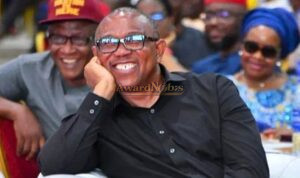
A political debate is heating up online after a popular northern social media commentator, Umar Ibrahim Sfawa, openly declared his support for Peter Obi’s potential 2027 presidential bid, sparking intense reactions across social media.
Umar, who hails from Katsina State in Northern Nigeria, made the bold statement during a discussion on the Nigeria Democratic Congress (NDC) platform. According to him, he is willing to support Peter Obi’s presidential ambition regardless of the controversies surrounding the former Anambra governor’s political image.
In his remarks, Umar argued that many Nigerians have unfairly focused on Obi’s Igbo background and alleged association with Biafra agitators while overlooking what he described as the devastating impact of banditry and insecurity ravaging Northern Nigeria.
The commentator insisted that the security crisis caused by armed criminal groups has inflicted more damage on northern communities than the fear often associated with separatist movements. He claimed that a significant portion of the hardship, displacement, and insecurity currently affecting the region is linked to violent bandit activities.
Umar also challenged what he sees as double standards in political conversations. He questioned why some critics are quick to associate Peter Obi with Biafra supporters while rarely making similar accusations against other politicians based on their ethnic backgrounds.
According to him, judging entire ethnic groups based on the actions of a few individuals is unfair and dangerous. He emphasized that every tribe, community, and ethnic group has both responsible citizens and bad actors, stressing that people should be evaluated by their individual character rather than stereotypes.
His comments have since triggered heated discussions online, with supporters praising his courage to speak openly while critics argue that his views could further fuel existing political tensions ahead of the 2027 elections.
As Nigeria’s political landscape begins to take shape for another presidential race, statements like these are already igniting passionate conversations about leadership, ethnicity, security, and the future direction of the country.