As the global aviation industry continues to face disruption amid the Middle East crisis, many airlines have already cancelled flights and increased the costs to make up for the lack of jet fuel. Tensions in the Strait of Hormuz disrupted key oil shipping routes, placing heavy financial pressure on airlines worldwide. Some carriers had begun adjusting ticket prices and reducing flights, with reports suggesting that stock levels could cover only a matter of weeks if supply disruptions continue.
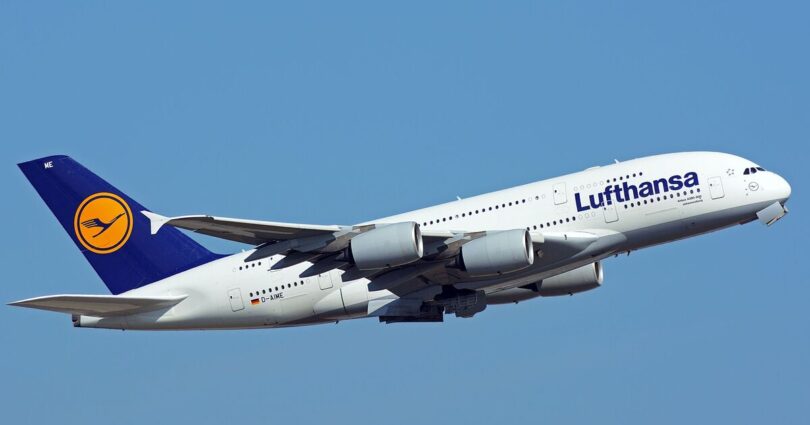
Despite reassurances, airlines are already reacting. According to reports, Lufthansa has cancelled around 20,000 flights over the coming months as part of a cost-saving strategy linked to higher fuel prices. United Airlines has also warned that fares may need to rise by 20% to offset increased fuel costs, while several other international carriers have begun trimming schedules or revising profit forecasts.
In the UK, the impact on passengers has so far been limited. Airlines UK, representing the main carriers, said that “airlines continue to operate normally and are not experiencing issues with jet fuel supply”. Britain has asked UK refineries to maximise jet fuel supply as it continues to plan for a range of contingencies to increase flexibility on supply, the government said.
British Airways, through its parent company IAG, said it is monitoring the situation closely and considering pricing adjustments to reflect higher fuel costs, but it is not introducing immediate fare increases. easyJet has warned that ticket prices are likely to rise later in the summer as existing fuel hedges expire, although it has also reassured customers that no extra surcharges will be added to existing bookings or package holidays.
Ryanair’s CEO stated the airline is heavily hedged against fuel price spikes and therefore will not impose surcharges or fare increases, although he warned weaker competitors could struggle. TUI has also reassured customers that holiday prices are fixed, meaning no fuel surcharges will be passed on to those who have already booked, despite acknowledging pressure on the industry, the Independent reports.