
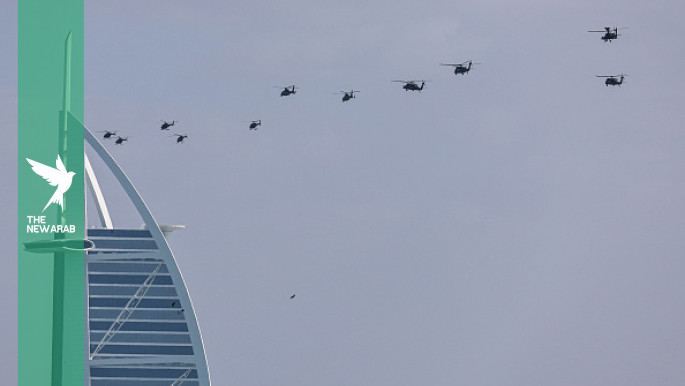
Opened in 1999, the sail-shaped Burj Al Arab has long been a symbol of Dubai’s global tourism ambitions [Getty]
Dubai’s iconic Burj Al Arab is closing for an 18-month restoration after sustaining minor damage during the Iran–UAE escalation, when debris from an intercepted drone struck the building’s exterior.
UAE authorities said air defences had intercepted an Iranian drone near Dubai in the early days of the conflict, with falling fragments hitting the hotel’s façade and causing a small fire.
While early reports suggested the hotel had been directly struck, officials later said that the damage was caused by debris from an intercepted drone, part of wider missile and drone attacks targeting the UAE following US and Israeli strikes on Iran.
The incident came alongside other impacts across Dubai, including damage near hotels on Palm Jumeirah and disruptions at Dubai International Airport, highlighting the extent to which the conflict has reached key civilian and economic sites.
According to Emirati media reports, the Burj Al Arab, operated by Jumeirah, would undergo “pre-planned” refurbishment led by French interior architect Tristan Auer, in a project expected to last a year and a half.
The temporary closure also comes as Dubai’s tourism sector faces a sharp downturn linked to the US-Israel war on Iran.
The conflict has disrupted regional airspace, triggered widespread cancellations, and undermined the UAE’s long-standing image as a safe travel hub.
Industry estimates suggest the Middle East tourism sector is losing around €515 million a day, with Dubai among the hardest hit. More than 80,000 bookings were reportedly cancelled in the first week of the conflict, while some operators say cancellations have reached up to 70 percent.
Hotels, restaurants, and tourist sites across the emirate have seen a noticeable drop in visitors, as flight suspensions and travel warnings deter arrivals.
Opened in 1999, the sail-shaped Burj Al Arab has long been a symbol of Dubai’s global tourism ambitions. The restoration will retain much of its original design, with Auer saying around 70 to 80 percent of the interiors will be preserved.
“The idea is not to break everything, but to preserve as much as possible and make it ready for the next 25 years,” he said.