US and Iranian negotiators resumed talks in Switzerland on Sunday amid hopes of advancing a landmark agreement intended to end hostilities between the two countries and stabilise the wider region.
The talks came a day after a ceasefire between Israel and Lebanon was announced and with no Israeli attacks reported in Lebanon on Sunday, following several days of strikes that had threatened to overshadow the diplomatic process.
Despite the apparent pause, Israel’s assault on Lebanon remains a major source of tension.
Tehran argues that the country is explicitly covered by the agreement’s provisions and has accused Washington of failing to uphold its commitments following Israeli attacks earlier this week, leading to it re-closing the Straight of Hormuz on Saturday.
The New Arab looks at whether Israel’s war on Lebanon could become the biggest obstacle to a US-Iran deal.
Lebanon key to the deal
Lebanon is not a side issue in the 14-point Memorandum of Understanding (MOU) signed by Washington and Tehran.
The agreement commits the parties to the “immediate and permanent termination of military operations on all fronts, including in Lebanon” and to ensuring “the territorial integrity and sovereignty of Lebanon”.
The provision came under immediate scrutiny after Israel continued attacking Lebanon in the days before Sunday’s talks.
Tehran repeatedly cited those attacks as evidence that the agreement was already being undermined, while Iranian officials framed the closure of the Strait of Hormuz as a response to what they described as continuing violations.
For Iran, Lebanon is not a separate conflict running alongside negotiations, but part of the agreement itself.
The issue carries particular significance because implementation of the ceasefire provisions forms part of the process leading to negotiations on a final deal. If the Lebanon component falters, the wider process could quickly come under pressure.
An Israeli red line
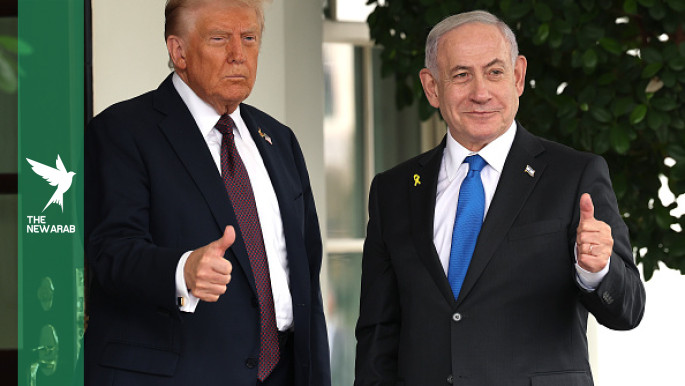
While the MOU speaks of ending military operations and ensuring Lebanese sovereignty, Prime Minister Benjamin Netanyahu and his cabinet members have repeatedly insisted that Israeli forces will continue to occupy southern Lebanon for as long as Israel considers necessary.
This was reiterated on Sunday by Israeli Defence Minister Israel Katz, who said Israeli forces have a “standing order” to attack any threat inside Lebanon.
“There has never been, and there is currently no restriction on IDF soldiers in Lebanon from acting to eliminate threats… As Prime Minister Benjamin Netanyahu and I have made clear: Israel will not withdraw from the security zone in Lebanon,” he said in a statement.
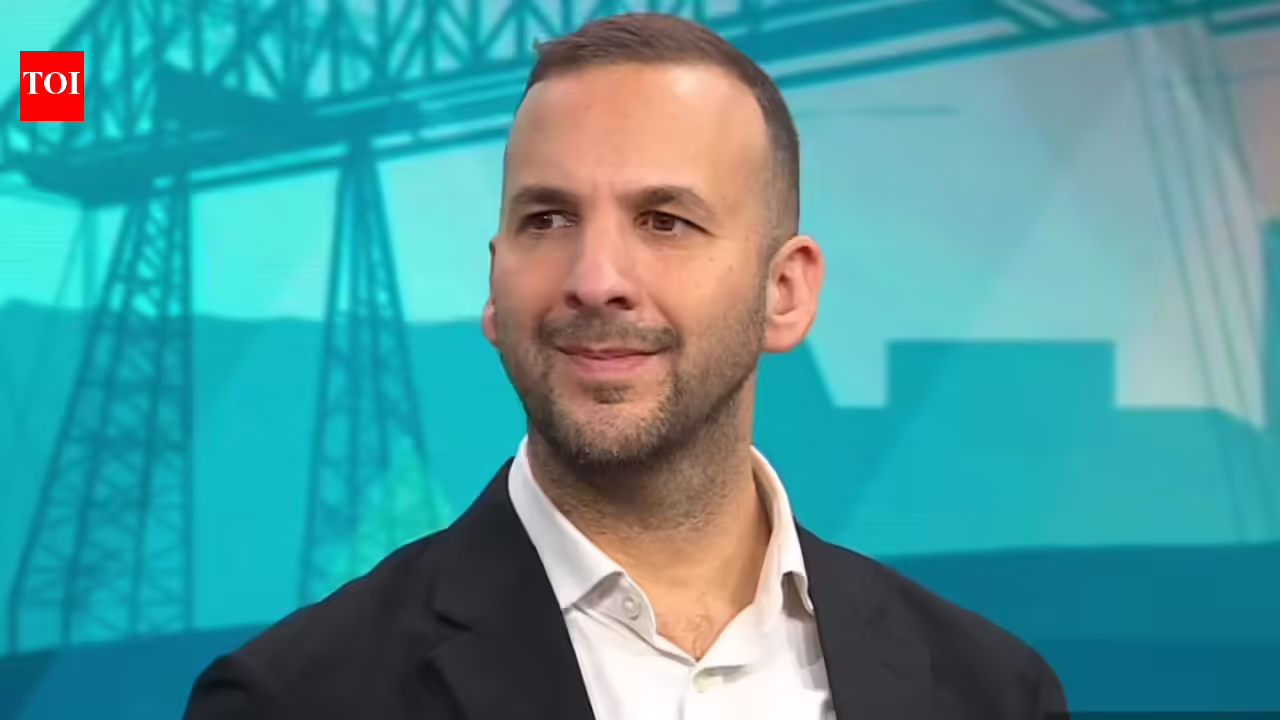
According to Karim Bitar, Professor of International Relations at Saint Joseph University of Beirut and a lecturer at Sciences Po Paris, Lebanon has become a “political red line” for Netanyahu.
“He’s being criticised by mayors of northern Israel, he’s being criticised by his right-wing ministers, and he’s also being criticised by his main rivals, Naftali Bennett and Yair Lapid,” he told The New Arab.
Those critics, Bitar said, argue that Netanyahu drew the US into the conflict by promising rapid regime change in Iran, only to strain relations with Washington without achieving his main objectives.
That leaves little room for compromise. Any move towards withdrawing from southern Lebanon or accepting restrictions on Israeli military operations risks exposing Netanyahu to further criticism from both allies and rivals
The same tension is visible in Israeli public opinion.
A recent poll by the Hebrew University of Jerusalem and the Agam Institute found that more than 90 percent of Israelis believe Iran emerged stronger from the conflict, while a clear majority oppose the US-Iran agreement.
Many Israelis appear to view the deal not as a success, but as a setback. That leaves little political space for concessions in Lebanon or a withdrawal from occupied territory.
However, if the US seriously wants peace with Iran, and want to avert a potential global economic catastrophe with Iran once again closing Hormuz, many will look for meaningful US pressure to deter Israel.
Can Washington deliver?
For Washington, the problem is straightforward. If Lebanon is explicitly covered by the agreement, what happens if Israel refuses to comply?
The MOU establishes a mechanism to monitor implementation, but says little about how compliance would be enforced if Israel rejects parts of the deal.
Bitar believes there are limits to how far the White House is willing to go.
“The US administration will do its best to place certain limits on Israeli military action, but I doubt that they will force Israel to completely withdraw from Lebanon,” he said.
The agreement therefore rests on the assumption that Washington can satisfy Iranian demands for implementation while preserving Israel’s freedom of to attack and occupy Lebanon.
That tension has yet to be resolved.
Trump’s balancing act
For Idrees Ahmad, Associate Editor of New Lines Magazine and Lecturer in Journalism at the University of Essex, the dispute highlights a deeper problem – the US and Israel do not necessarily share the same objectives.
“It is a clear statement of the obvious that US and Israeli interests in the region aren’t the same,” he told The New Arab.
Ahmad believes US President Donald Trump is genuinely committed to securing a deal with Iran, but says wanting an agreement and enforcing one are two very different things.
“I think Trump is serious about trying to halt the Lebanon invasion, but it’s an entirely different matter if he can follow through,” he told The New Arab.
Domestic politics may make that difficult. Israel retains powerful supporters in Washington, while many members of Congress remain committed to backing Israel’s position.
“Israelis have a national consensus around Lebanon, as far as the major political parties go, and they will mobilise all their lobbying resources in the US,” Ahmad said.
“Trump’s instinct will be to avoid confrontation.”
Yet Ahmad argues that Tehran also has leverage.
“If Iranians show a willingness to walk away, Trump will be forced to put his foot down,” he said
The more willing Iran is to halt negotiations over Israel’s attacks on Lebanon, and take retaliatory action, the harder it may become for Washington to avoid a confrontation with Israel.