DUBAI, U.A.E.: The ceasefire in the war in Iran staggered on April 9 under the weight of Israel’s bombardment of Beirut, Tehran’s continued chokehold on the Strait of Hormuz, and uncertainty over whether peace talks can happen.
Iran and the U.S. both claimed they had won after the ceasefire, but tensions remained high. Iranian media suggested that Iran had placed mines in the Strait of Hormuz, an important route for global oil, which it has shut down. Meanwhile, President Donald Trump warned that the U.S. would strike Iran even harder if it did not follow the agreement.
There was also no indication that Iran would ease its near-total blockade of the Strait of Hormuz, which has led to the biggest disruption of global energy supplies in recent history. In the first 24 hours after the ceasefire, only one oil tanker and five cargo ships passed through the strait, compared to about 140 ships a day before the war.
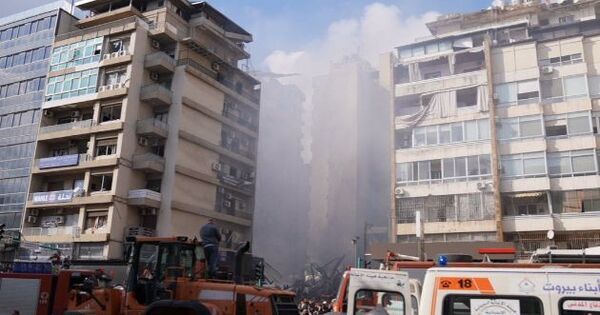
There was also confusion about whether the ceasefire included stopping Israeli attacks in Lebanon. Despite the deal, Israel carried out heavy airstrikes on Beirut, making it the deadliest day in Lebanon since the war began on February 28.
Many questions remain, including what will happen to Iran’s enriched uranium, when ships can safely pass through the strait again, and whether Iran will still be able to launch missile attacks or support armed groups in the region.
Meanwhile, Iran’s parliament speaker, Mohammad Bagher Qalibaf, warned that if Israel keeps attacking Lebanon, there will be strong retaliation. He may also take part in talks with U.S. Vice President JD Vance in Islamabad this weekend.
There could also be no agreement as long as Israel continued its strikes in Lebanon, officials in Tehran said.
Iran accused Israel of breaking the ceasefire, but Israeli Prime Minister Benjamin Netanyahu and Trump denied this. Netanyahu said Israel will continue attacking Hezbollah with strength and precision.
Lebanon’s health ministry said Israeli strikes killed 254 people and wounded 1,165 in Beirut and other areas. Israel said it targeted Hezbollah and killed a close aide to its leader, Naim Kassem. Hezbollah has not yet responded.
A U.S.-based think tank warned that the ceasefire could collapse soon, saying Israel’s attacks may increase tensions and could be an attempt to weaken ties between Iran and its allies.
Lebanon’s state news agency also reported that an Israeli strike killed at least seven people in southern Lebanon overnight, though Israel has not confirmed this.