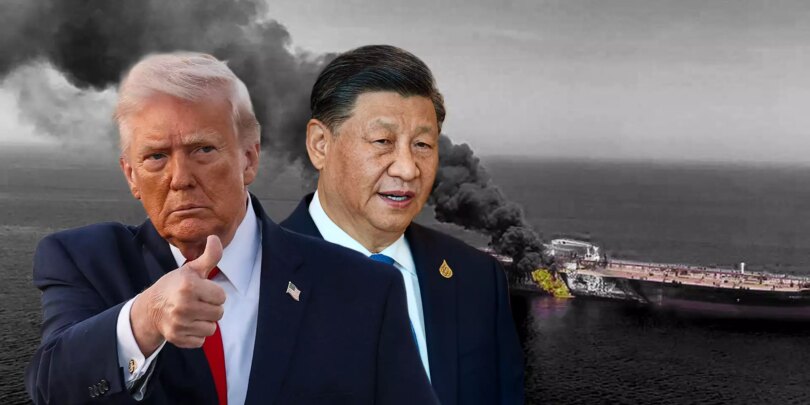
Three diplomatic sources from the region say China is quietly involved in the contacts between Iran and the US, including efforts to persuade commanders of the Islamic Revolutionary Guard Corps to show greater flexibility.
According to those sources, China warned that if the blockage of the Strait of Hormuz continues, it will expand its search for alternative sources of oil and gas and may even suspend the cooperation agreement it signed with Iran. At the same time, China is warning Iran’s leadership not to reach a deal that would allow the Americans a foothold in Iran’s oil industry.
That concern stems from an Iranian proposal delivered to the US even before the war, under which American companies would enter Iran’s oil sector, rehabilitate and develop it, and earn substantial returns. Israel Hayom has reported that the proposal also resurfaced in contacts over the past few weeks. The Iranians are conditioning the entry of American companies on the release of frozen funds and the lifting of sanctions.
A ceasefire extension
In the meantime, US President Donald Trump announced a de facto extension of the ceasefire. We have learned that this happened after Pakistan’s army chief, Gen. Asim Munir, assured him that he would persuade Revolutionary Guard commanders to accept the basic conditions the US is demanding as a prerequisite for entering negotiations. According to the diplomatic sources, Trump is prepared to allow a short extension of a few days, people in Washington say, but developments indicate that even a few days could stretch longer.
According to diplomatic sources from the region, the main obstacle to renewing the talks is the refusal of Revolutionary Guard commanders, particularly Ahmad Vahidi, to compromise on the issue of enriched uranium and enrichment itself. The senior political figures conducting the negotiations, parliament speaker Mohammad Bagher Ghalibaf and Foreign Minister Abbas Araghchi, are prepared to reach understandings on halting enrichment for a limited period and transferring the enriched uranium, which they say was buried at Fordo in Israeli Air Force and US strikes, to a third party.

Vahidi believes closing the Strait of Hormuz will eventually force the Americans to give ground on that issue, or at least compromise more. According to reports from Iran, he is the only person linking Mojtaba Khamenei with other levels of the leadership, assuming Mojtaba is in fact still alive and functioning.
The results of the blockade on Iran
Those internal disagreements were what Trump appeared to be referring to in his statements over the past 24 hours. At this stage, it is unclear what the reports claiming negotiations will resume on Friday are based on, since Vahidi has shown no signs of softening, despite the worsening state of the economy and the rapid depletion of Iran’s treasury. According to internal Iranian assessments, it will be enough to pay salaries for only a few more weeks. The Revolutionary Guards have their own funds, but the halt in oil exports is draining those reserves quickly as well.
Miad Maleki, a senior fellow at the Foundation for Defense of Democracies and a former senior sanctions strategist at the US Treasury Department, said at an Iran International conference in Washington that Iran has threatened for decades to close the Strait of Hormuz, but never prepared its economy for the consequences, including a naval blockade.
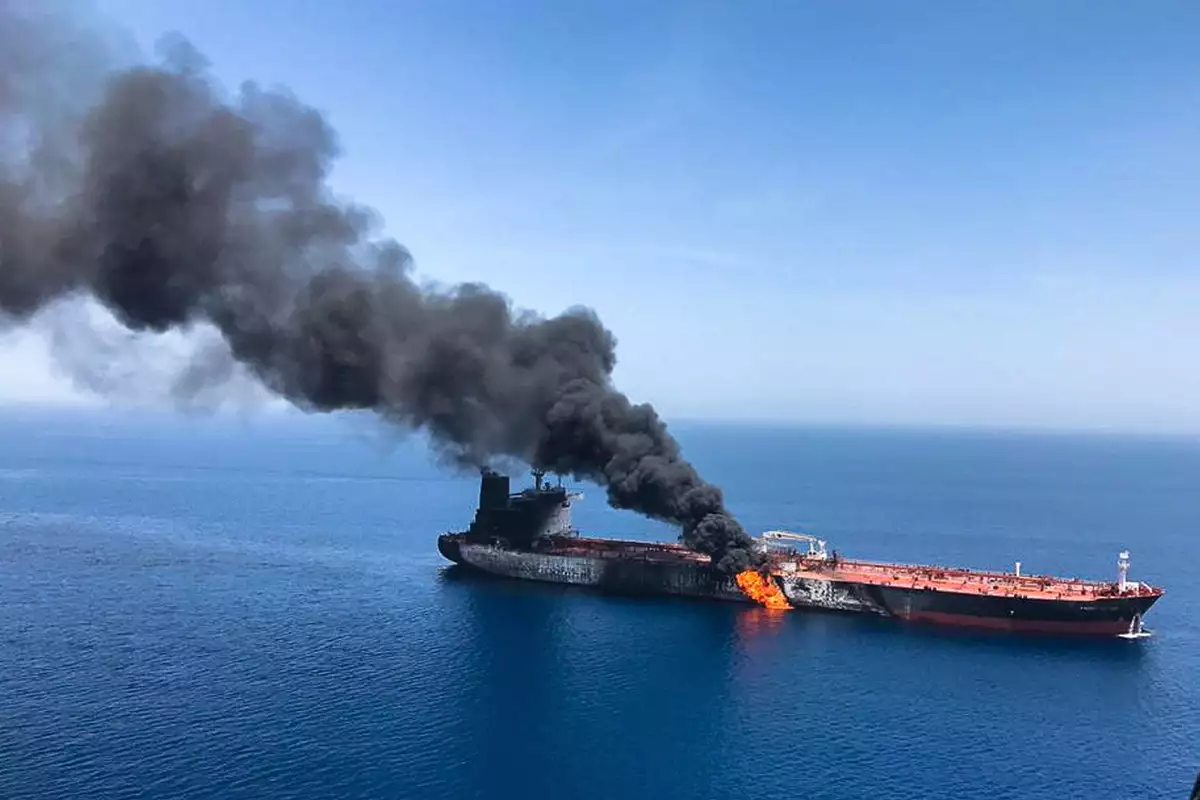
He said the answer is becoming clearer as the war, the blockade, the currency crisis and the damage to key export sectors have put pressure on Iran faster than on its rivals. While the disruptions in Hormuz created serious risks for global energy markets, Maleki argued that Iran’s own economic exposure to the waterway has made Tehran more vulnerable than the countries it was trying to pressure.
“The clock is ticking much faster on Iran’s economic side than on the American side,” Maleki said. “But we know historically that the Iranian regime does not really care how much Iranians are starving or coping with severe economic hardship.”

Jason Brodsky, a senior American strategist, said at the conference that Trump was probably willing to withstand pressure for longer than many expected because he is in his second term and focused on his legacy. He argued that Washington had achieved through force what diplomacy alone had failed to achieve, including pushing Tehran to consider, according to the reports, suspending uranium enrichment. “President Trump is willing to keep this going much longer than most people expect,” Brodsky said. “He is prepared to take that risk because he is now at the legacy-building stage.”
The US Treasury Department, together with the War Department, is planning to intensify the blockade by taking control of Iran’s “shadow fleet,” several dozen tankers that transfer Iranian oil to other vessels in the middle of the Indian Ocean. As of now, the Americans have already seized one cargo ship.