The All Progressives Congress, APC, primary election for the Orlu/Orsu/Oru East Federal Constituency has continued to generate intense political debate in Imo State and across Nigeria.
This follows a decisive outcome that underscored the enduring power of political structure, party loyalty, and grassroots mobilisation over celebrity influence and popularity.
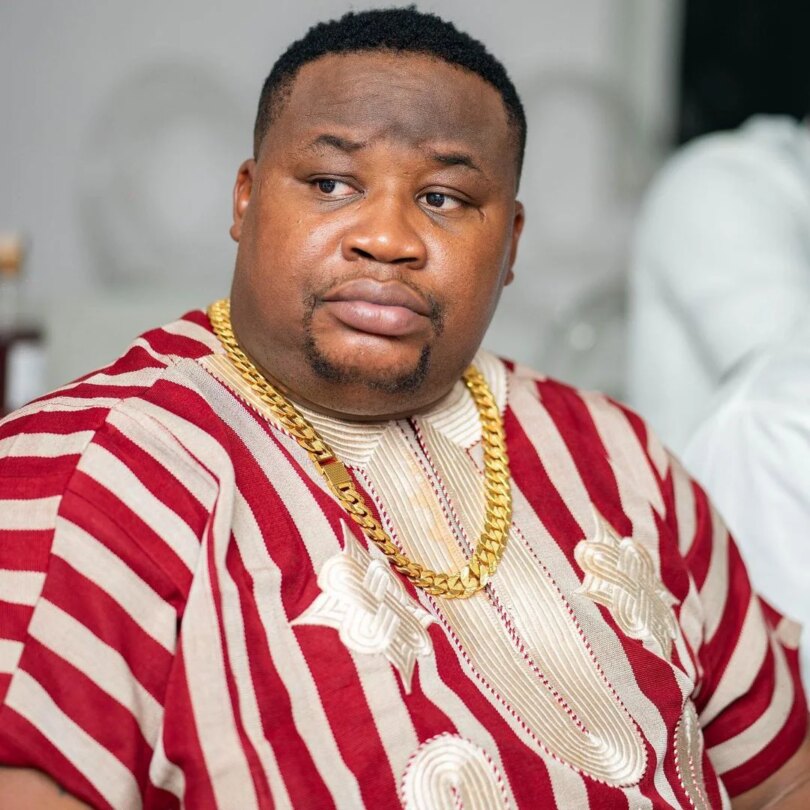
At the centre of the contest was popular nightlife entrepreneur and socialite, Paschal Okechukwu, widely known as Cubana Chief Priest or Money Na Water, who entered the race with strong visibility, financial influence, and a massive social media presence.
He was widely projected by supporters as a fresh political force capable of challenging the established order within the party.
However, the primary election produced a resounding result in favour of incumbent lawmaker, High Chief (Hon.) Canice Moore Chigozie Nwachukwu, popularly known as Omeogo, who is deeply entrenched within the APC structure in the constituency.
He reportedly secured a commanding victory with 2,846 delegate votes against Cubana Chief Priest’s 14 votes, a margin that party insiders have described as a clear demonstration of structure overpowering celebrity appeal in internal party politics.
Cubana Chief Priest’s entry into the contest generated significant attention, with his campaign built around promises of personal financial commitment to development projects, youth empowerment, and economic stimulation in the constituency.
His engagements with delegates were also marked by high-profile hospitality and mobilisation efforts that drew widespread public commentary during the build-up to the primaries.
Despite this momentum, the contest was ultimately shaped by entrenched political alliances, loyalty blocs, and long-standing grassroots networks that dominate internal APC decision-making processes.
Omeogo, a long-time political actor within the constituency, is widely regarded as a product of deep party structure and sustained grassroots engagement.
He is also described as a long-standing ally of Governor Hope Uzodimma, with political relationships reportedly tracing back to earlier political movements and networks within the state.
Political observers note that his influence is strongly rooted in ward-level mobilisation systems, community loyalty structures, and established relationships within the party hierarchy.
He is also credited by supporters with contributing to earlier political mobilisation efforts that helped consolidate APC strength in the state.
The Orlu/Orsu/Oru East Federal Constituency remains one of the most politically strategic areas in Imo State, where the governor hails from, closely tied to the state’s power structure, making loyalty and internal alignment critical factors in determining electoral outcomes.
Within this context, Omeogo’s victory is being interpreted by analysts as a reinforcement of tested loyalty, organisational strength, and political continuity within the APC structure.
Some stakeholders further suggest that Cubana Chief Priest’s political ambition may have been more viable had it begun at a lower legislative level, such as the Imo State House of Assembly, allowing for gradual consolidation within party structures.
Ultimately, the outcome has been widely framed as a classic case of structure overpowering celebrity influence in Nigerian politics, where visibility and wealth could not outweigh entrenched loyalty networks and grassroots coordination.
The result, 14 votes against 2,846, sealed a decisive victory for Omeogo and reaffirmed the enduring dominance of political structure over celebrity ambition in intra-party contests.