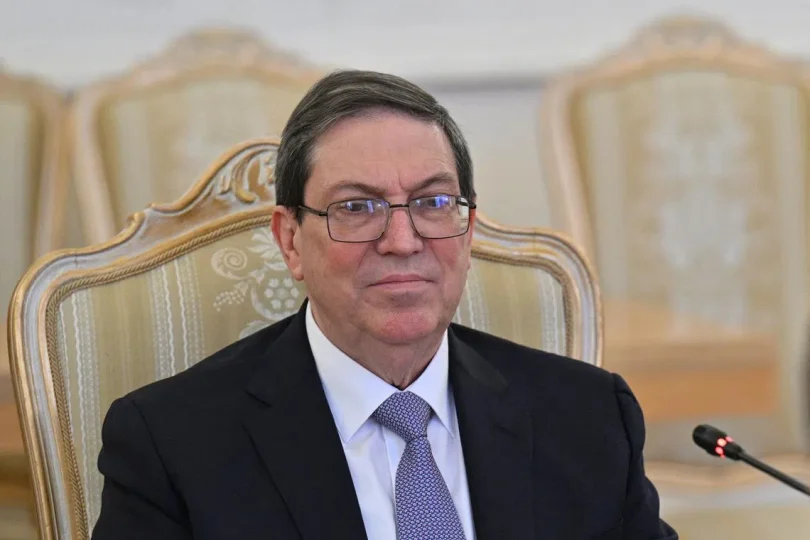
HAVANA – Cuba’s foreign minister said on June 30 that talks initiated earlier in 2026 with long-time foe the United States had stalled, leaving little hope for an end to US sanctions that have laid seige to the island`s ailing economy.
Top diplomat Bruno Rodriguez told reporters that US sanctions were “causing deaths” in Cuba as the island`s economy collapses and severe shortages of food, fuel, medicine and electricity make life nearly unbearable for the island`s approximately 9 million residents.
“Talks between Cuba and the US show no progress,” Rodriguez said at a press conference in Havana.
“The conduct of US government delegations – generally respectful – has been accompanied by constant threats against Cuba, the application of coercive measures, and offensive statements regarding our country’s independence.”
“Despite this, Cuba remains open to dialogue and the peaceful resolution of differences, based on mutual respect and non-interference in Cuba’s internal affairs.”
The US State Department did not immediately respond to a request for comment on the foreign minister`s statement.
The US has called Cuba`s government a national security threat and says sanctions are necessary to force a change in the island`s government, a long-time aim of US policy towards Cuba.
Cuba, 145km off the shores of the Florida Keys, has long maintained it is not a threat to the United States.
United Nations experts have previously called the US fuel blockade, implemented in January, “illegal” and a violation of the human rights of all Cubans.
Rodriguez also said the US State Department was also “pressuring and intimidating” United Nations member states to put off an upcoming floor debate over the US blockade of the communist-run island.
The debate, slated for July 7, typically precedes a largely symbolic, non-binding UN vote of member states later in the year to call on the US to end its sanctions against Cuba.
The United Nations has voted 31 times, including in November of 2025, to ask the United States to end the decades-long trade embargo.
Those votes have historically been near unanimous, with typically only the United States and Israel in opposition.
The vote in 2026, however, takes on special relevance for Cuba after the Trump administration in January imposed a fuel blockade on the island and fresh sanctions that have led to an exodus of foreign investment and the near total collapse of tourism.
Cuban lawmakers earlier in June approved sweeping economic reforms that, if implemented, would represent the single largest change to Cuba’s socialist model since former leader Fidel Castro’s 1959 revolution and a major shift towards a market economy.
Rodriguez told reporters those reforms, however, had nothing to do with US threats or sanctions.
“The (reforms) adopted are a matter of sovereignty,” Rodriguez said. “We have neither listened to nor are we interested in the United States` opinion.” REUTERS