Headlines

Don’t Sign It’ — Christian Group Urges Tinubu to Reject Bus Preaching Bill

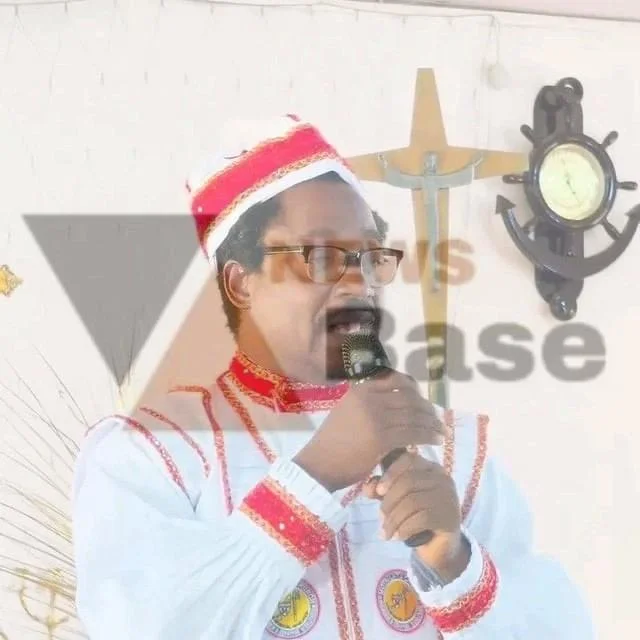
The Organisation of African Instituted Churches (OAIC), Nigeria Region, has appealed to President Bola Ahmed Tinubu to withhold assent to the proposed Federal Road Safety Corps (FRSC) Act (Amendment) Bill, 2026, citing concerns over a provision that would criminalise preaching in commercial vehicles.

The bill, which was recently passed by the Senate and is awaiting presidential approval, proposes a fine of ₦50,000, a six-month jail term, or both for anyone found hawking, trading, or preaching inside commercial vehicles.

Reacting to the development, OAIC President, Dr. Israel Akinadewo, described the inclusion of preaching among prohibited activities as unconstitutional and a violation of citizens’ rights to freedom of religion and expression as guaranteed by the 1999 Constitution.

According to him, peaceful evangelism should not be equated with commercial activities such as hawking or trading, stressing that the proposed law could restrict lawful religious practices across the country.

The Christian body urged President Tinubu not to sign the bill in its current form, calling for a review of the controversial provision through wider consultations with religious organisations and other stakeholders.

Other Christian groups, including the Christian Council of Nigeria (CCN) and the Women Wing of the Christian Association of Nigeria (WOWICAN), have also reportedly expressed reservations about the bill, warning that criminalising preaching in commercial buses could undermine religious freedom and create unnecessary tensions.

Supporters of the amendment, however, argue that the measure is intended to improve road safety by minimising distractions to drivers and passengers. They maintain that the legislation is aimed at promoting order and reducing activities that could endanger road users.

As of the time of filing this report, the FRSC (Amendment) Bill has not yet become law and remains subject to President Tinubu’s decision to either sign it into law or return it to the National Assembly for further consideration.

News

Don’t Sign It’ — Christian Group Urges Tinubu to Reject Bus Preaching Bill

The Organisation of African Instituted Churches (OAIC), Nigeria Region, has appealed to President Bola Ahmed Tinubu to withhold assent to the proposed Federal Road Safety Corps (FRSC) Act (Amendment) Bill, 2026, citing concerns over a provision that would criminalise preaching in commercial vehicles.

The bill, which was recently passed by the Senate and is awaiting presidential approval, proposes a fine of ₦50,000, a six-month jail term, or both for anyone found hawking, trading, or preaching inside commercial vehicles.

Reacting to the development, OAIC President, Dr. Israel Akinadewo, described the inclusion of preaching among prohibited activities as unconstitutional and a violation of citizens’ rights to freedom of religion and expression as guaranteed by the 1999 Constitution.

According to him, peaceful evangelism should not be equated with commercial activities such as hawking or trading, stressing that the proposed law could restrict lawful religious practices across the country.

The Christian body urged President Tinubu not to sign the bill in its current form, calling for a review of the controversial provision through wider consultations with religious organisations and other stakeholders.

Other Christian groups, including the Christian Council of Nigeria (CCN) and the Women Wing of the Christian Association of Nigeria (WOWICAN), have also reportedly expressed reservations about the bill, warning that criminalising preaching in commercial buses could undermine religious freedom and create unnecessary tensions.

Supporters of the amendment, however, argue that the measure is intended to improve road safety by minimising distractions to drivers and passengers. They maintain that the legislation is aimed at promoting order and reducing activities that could endanger road users.

As of the time of filing this report, the FRSC (Amendment) Bill has not yet become law and remains subject to President Tinubu’s decision to either sign it into law or return it to the National Assembly for further consideration.