
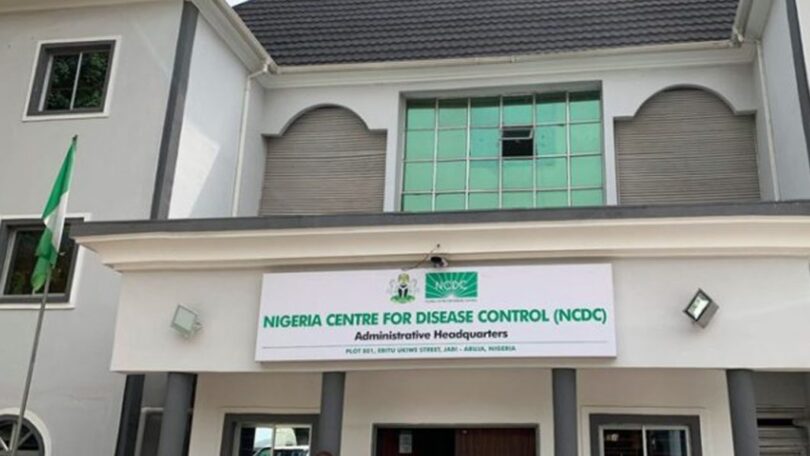
Mr Idris said that since confirmation of the outbreaks in the region, the NCDC had intensified preparedness activities nationwide to ensure Nigeria remained ready to rapidly detect, investigate, contain and respond to any potential importation of the disease.
The Nigeria Centre for Disease Control and Prevention (NCDC) has urged Nigerians to remain calm, assuring that the country currently has no confirmed case of Ebola Virus Disease (EVD).
The Director-General of NCDC, Jide Idris, gave the assurance during a media briefing on Friday in Lagos.
The briefing provided updates on the country’s preparedness and response efforts following outbreaks of the Bundibugyo strain of Ebola Virus Disease in the Democratic Republic of the Congo (DRC) and Uganda.
Mr Idris said that since confirmation of the outbreaks in the region, the NCDC had intensified preparedness activities nationwide to ensure Nigeria remained ready to rapidly detect, investigate, contain and respond to any potential importation of the disease.
He explained that the agency had conducted a comprehensive dynamic risk assessment, which classified the risk of Ebola importation into Nigeria as high.
According to him, the assessment reflects increasing regional transmission, international travel and population movement, porous borders, and the potential for delayed recognition because Ebola symptoms may resemble those of malaria and Lassa fever.
“As I speak, there is currently no confirmed case of Ebola Virus Disease in Nigeria,” he said.
“While there are currently no widely available licensed vaccines or approved treatments specifically for the Bundibugyo strain of Ebola virus.
“Experience from previous outbreaks has demonstrated that early detection, rapid isolation, infection prevention and control, contact tracing, risk communication, and effective emergency coordination remain the most effective tools for preventing transmission and saving lives.
“Hence, we encourage Nigerians to remain calm and continue to do their normal activities.
“Members of the public should obtain information only from credible sources, avoid spreading rumours and misinformation, and promptly report any unusual illness through established public health channels,” Mr Idris said.
Highlighting key achievements of NCDC in preparedness, Mr Idris said readiness assessments were completed in 549 health facilities across 32 states and the Federal Capital Territory.
He added that the assessment of 17 designated treatment centres was completed to evaluate screening capacity, isolation readiness, infection prevention and control systems, healthcare workers’ protection, and treatment readiness.
Regarding training of staff and healthcare workers in the management of Ebola, Mr Idris said there was no mapped-out training, but managing Ebola, like every other pandemic, required adherence to the use of Personal Protective Equipment (PPE) and Infection Prevention and Control (IPC) precautions.
The NCDC DG stated that there was a high level of surveillance at all entry points (borders) of the country, as the Centre was collaborating with the authorities who man the borders to ensure Ebola was not transmitted into the country.
According to him, preparedness is a shared responsibility, noting that while NCDC leads national coordination efforts, effective preventive and early response requires active collaboration among state governments, healthcare facilities, communities, development partners, and the public.
“Nigeria successfully contained Ebola in 2014 through strong leadership, rapid detection, effective coordination, public trust, and collective action.
“Today, we are building on those lessons and strengthening preparedness even further.
“If Ebola should come into the country, Nigeria will contain it,” Mr Idris said. (NAN)
More details here…