The number of people infected by Ebola in central Africa could be much higher than reported and the outbreak could last for months, global health officials warned on May 19.
The suspected death toll stood on May 19 at more than 130 people.
The outbreak is centered in eastern Congo, where people, including migrant laborers working in gold mines, move across borders. The area is also in the grip of a conflict that has displaced more than 1 million people, gutted health clinics and slowed the public health response, officials said.
“The last outbreak in this area took two years,” to contain, Dr Anne Ancia, a representative for the World Health Organization in Congo, said in a phone interview from Bunia, the capital of Ituri province, where the first cases were identified.
“We hope it won’t be that long, but I’m foreseeing several months,” she said.
Dr Ancia’s comments followed a news conference by Congo’s health minister, Dr Samuel-Roger Kamba, at which he reported more than 135 suspected deaths and more than 540 suspected cases linked to the virus. Those numbers, he said, have been rising as health teams go into communities, inquire about the circumstances of recent deaths and illnesses, and trace contacts.
WHO Director-General Tedros Adhanom Ghebreyesus said at a meeting of the organisation in Geneva that he was “deeply concerned” about the scale and speed of the outbreak.
Laboratory testing has confirmed 32 cases so far, according to Dr Kamba. Experts have expressed alarm that the virus, a relatively rare species called Bundibugyo, appears to have been spreading unchecked for several weeks in an area where contact tracing is likely to be very difficult.
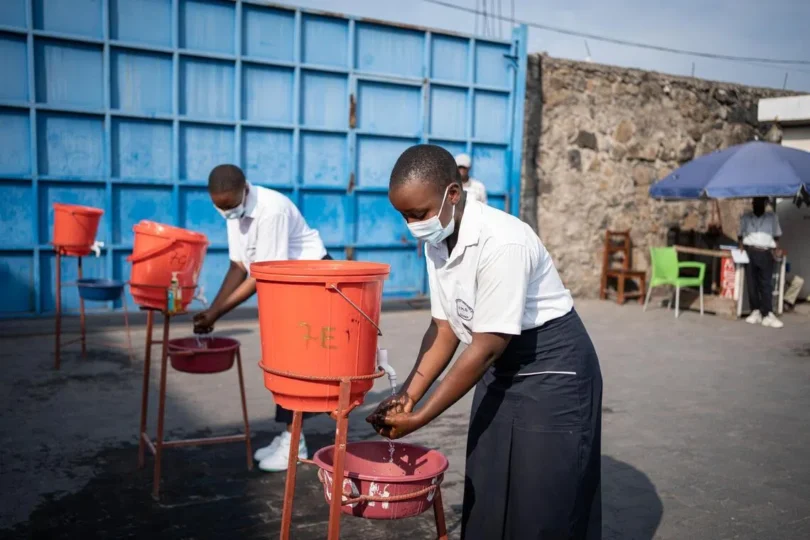
Dr Kamba said that awareness of the virus had been delayed by a misunderstanding. Some people, he said, initially did not take protective precautions when burying the dead, allowing the virus to spread.
Dr Kamba emphasised that the country had been able to contain 15 previous outbreaks of Ebola without vaccines or treatments, suggesting that public health measures could suffice to contain this latest one.
At the same time, he said, the outbreak is a matter of international concern. “The virus knows no border and knows no race and knows no tribe,” he said.
One of those infected in the outbreak is Dr Peter Stafford, an American medical missionary who was exposed to the virus while working at a hospital in Ituri province. He was evacuated for specialised treatment, Serge, an international Christian mission organisation where he works, said on May 19.