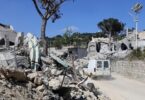
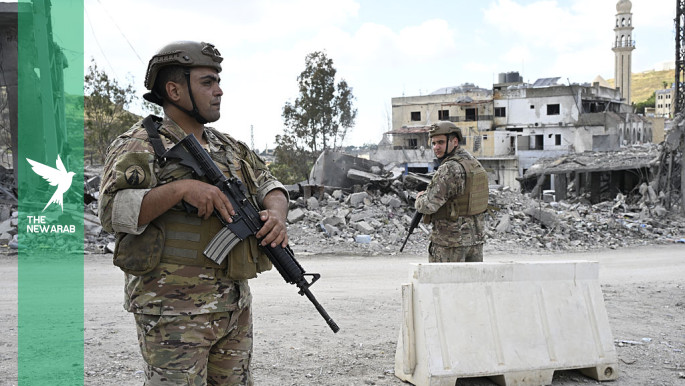
he proposal stems from the EU studying ways to strengthen Lebanon’s Internal Security Forces [Houssam Shbaro/Anadolu via Getty Images]
The European Union’s diplomatic service has proposed a three-year military and civilian mission to advise and train Lebanese forces, including in border and maritime security, according to a document seen by Reuters on Wednesday.
The proposal stems from the EU studying ways to strengthen Lebanon’s Internal Security Forces to help free up the Lebanese army to focus on disarming the armed group Hezbollah.
Discussion over a possible EU mission comes as the mandate of the UN Interim Force in Lebanon is set to expire at the end of 2026, when it is expected to begin a year-long drawdown and withdrawal.
The EU is not considering replacing UNIFIL, but rather strengthening Lebanese forces. Any such mission would require approval from the EU’s 27 member countries.
In a document dated 17 June and circulated to EU member countries, the European External Action Service said a potential mission would “have an initial mandate duration of three years” and “would support the Lebanese authorities in reinforcing territorial control and border security through strengthening the capacities of the LAF and the ISF”, referring to the armed forces and security forces.
“To this end, the Mission would focus on strengthening land border regiments; Mobile Force and Regional Gendarmerie Units; enhancing Intelligence Surveillance and Reconnaissance (ISR) capabilities; and reinforcing maritime security capacities, including border and port security governance,” it added.
The proposal is complicated by the presence of Israeli forces, which have seized a swathe of southern Lebanon during a war that was ignited when Hezbollah opened fire at Israel in a show of support for Tehran, days after the US and Israel launched strikes on Iran, killing Ayatollah Ali Khamenei.
A ceasefire has largely held since Sunday, but Israeli forces are still deployed deep inside southern Lebanon, citing the need to shield northern Israel from Hezbollah attack.