
CYRIACUS IZUEKWE
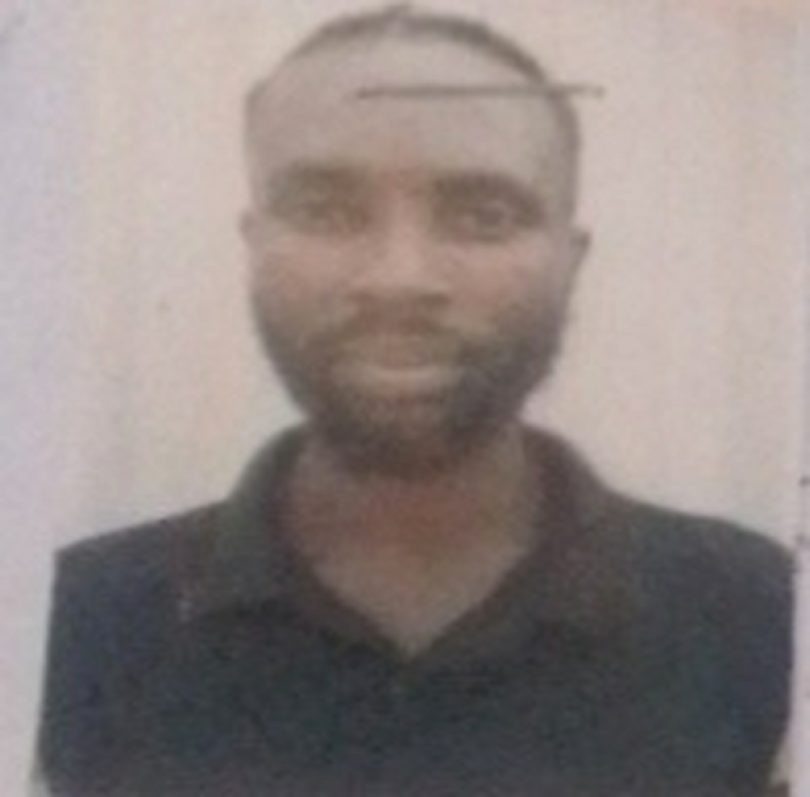
A 38-year-old man, Raheem Rasheed, has been remanded in custody at the Kirikiri Correctional Centre over alleged defilement and impregnation of his 16-year-old daughter in Ayobo area of Lagos State.
Rasheed was arraigned before a Lagos Magistrate Court presided over by Mrs. M.O. Tanimola, following a charge filed by the Commissioner of Police.
The prosecutor, ASP Lucky Ihehie, told the court that the defendant allegedly committed the offence in August 2026, in the Ayobo area of Lagos, within the Lagos Magisterial District.
According to the charge, the defendant allegedly had unlawful carnal knowledge of his 16-year-old daughter, which allegedly resulted into a pregnancy.
The offence was said to be punishable under Section 137 of the Criminal Laws of Lagos State, 2015.
The plea of the defendant was not taken by the court.
After listening to the prosecutor, Magistrate Tanimola ordered that the defendant be remanded in custody at the Kirikiri Correctional Centre, pending the outcome of the legal advice from the Directorate of Public Prosecutions (DPP).
The case was adjourned pending the DPP’s advice.
The matter was investigated by officers of the Gender Section, Lagos State Police Command, Ikeja.
The defendant is presumed innocent until proven guilty by a court of competent jurisdiction.
The charge brought against Rasheed borders on defilement, a serious offence under Lagos State law. Under Section 137 of the Criminal Law of Lagos State, 2015, any person who has unlawful carnal knowledge of a child is guilty of defilement and is liable on conviction to life imprisonment.
The law is clear that a child cannot give consent to sexual intercourse. In cases involving a minor, the issue of consent does not arise. Once the prosecution is able to establish that the victim is below 18 years and that sexual intercourse took place, the offence is considered complete under the law.
In this particular case, the prosecution alleged that the victim is 16 years old and that the act allegedly led to pregnancy.
The court, however, has not made any finding on the facts. The allegation will be tested during trial after the DPP’s advice.
The plea of the defendant was not taken because the Magistrate Court does not have the jurisdiction to try the offence of defilement. Defilement is an indictable offence which is tried at the High Court.
What the Magistrate Court does at this stage is to take the charge, listen to the prosecutor, and remand the defendant pending the DPP’s advice. This is the normal procedure in Lagos State for serious offences like murder, armed robbery, defilement, and rape.
The DPP, which is under the Lagos State Ministry of Justice, will look at the case file sent by the police, review the evidence, statements, and medical report, and then advise whether there is enough evidence to prosecute the defendant at the High Court, or whether the case should be discontinued.
Until that advice comes, the defendant will remain in custody at the Kirikiri Correctional Centre, except a High Court grants him bail.
The case was investigated by the Gender Section of the Lagos State Police Command, Ikeja. The Gender Section is a specialized unit of the police that handles cases involving sexual offences, domestic violence, child abuse, and other offences against vulnerable persons.
In cases of alleged defilement, the unit usually records statements from the victim, the suspect, and witnesses, takes the victim to hospital for medical examination, and compiles the case file for prosecution.
The police have not disclosed further details about how the alleged offence was discovered, in order to protect the identity and privacy of the minor involved.
Because the alleged victim is a minor, her identity must not be revealed. Her name, photograph, school, and exact residential address must not be published. This is in line with the Child Rights Law of Lagos State and the ethics of journalism on reporting sexual offences against children.
Publishing the identity of a minor victim of sexual abuse can cause further trauma, stigmatization, and long-term psychological harm. It can also affect the willingness of the victim to testify in court.
Courts in Lagos also usually sit in camera, meaning the public is not allowed, when hearing cases involving sexual offences against minors, to protect the child.
The incident has raised concerns among residents of Ayobo, a densely populated community in Alimosho Local Government Area of Lagos State. Residents who spoke on condition of anonymity expressed shock that a father could be accused of such an act against his own daughter.
Child rights advocates have continued to call on parents, guardians, schools, and religious leaders to be more vigilant and to create safe channels for children to report abuse. They also urge victims and their families to report cases promptly to the police or to the Lagos State Domestic and Sexual Violence Agency (DSVA), rather than settling such matters at home.
Experts say early reporting helps to preserve evidence, secure medical care for the victim, and ensure that the alleged offender is brought to justice.
The next stage in the case is the DPP advice. If the DPP advises that there is a prima facie case, the defendant will be arraigned before a Lagos High Court for trial. At the High Court, the prosecution will call witnesses, including the investigating police officer, the medical doctor, and other relevant witnesses, to prove the charge beyond reasonable doubt.
If the DPP advises that there is no case, the defendant will be discharged. For now, the defendant remains in custody and is presumed innocent until proven guilty by a court of competent jurisdiction.
The court has adjourned the case pending the DPP advice.