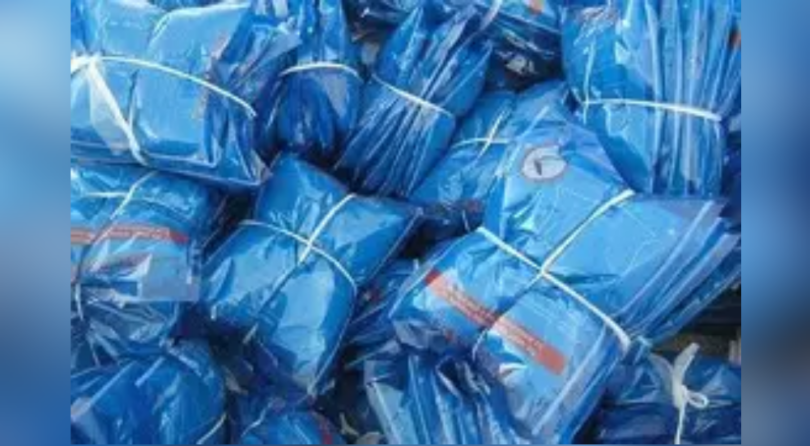
The Federal Government has backed the local production of next-generation insecticide-treated mosquito nets.
The new facility is expected to produce about 10 million nets annually.
The facility, Health Textiles Nigeria FZE, owned by Vestergaard Sàrl, is the first in Nigeria to manufacture dual-active ingredient insecticide-treated mosquito nets designed to tackle growing insecticide resistance.
The Coordinating Minister of Health and Social Welfare, Prof Muhammad Pate, said the development would strengthen Nigeria’s capacity to produce essential health commodities locally.
“The commencement of local production of next-generation insecticide-treated nets is an important milestone for Nigeria’s health system and our fight against malaria. It also reflects our broader commitment to strengthening health security by building domestic capacity to manufacture the essential health products Nigerians need,” Pate said.
The Assistant Director, Information and Public Relations, Ado Bako, said in a statement on Friday that the facility is expected to reach a production capacity of approximately 10 million mosquito nets annually when fully operational and create more than 600 jobs.
Bako said about 80 employees had already been recruited, while Nigerian professionals were being trained in manufacturing, product quality, occupational health and safety, and regulatory compliance.
The National Coordinator of the Presidential Initiative for Unlocking the Healthcare Value Chain, Dr Abdu Mukhtar, said the facility followed a 2024 Memorandum of Understanding between Vestergaard and the initiative.
Mukhtar said the partnership was intended to increase local production, transfer skills and build manufacturing capacity within the healthcare sector.
The Chief Executive Officer of Vestergaard, Amar Ali, said the facility would produce PermaNet® Dual, the company’s dual-active ingredient mosquito net prequalified by the World Health Organisation (WHO) in 2023.
The nets are designed to address insecticide resistance, which has become a growing challenge in malaria control.
WHO estimates that malaria caused about 282 million cases and 610,000 deaths globally in 2024, with the African Region accounting for the largest share. Nigeria accounts for about a quarter of global malaria cases.
Health Textiles Nigeria is expected to fulfil its first commercial orders in the coming months.
The health ministry said local production could reduce vulnerabilities in the supply of essential health commodities, while stressing that locally manufactured products must meet quality, regulatory and safety standards.