New Delhi:
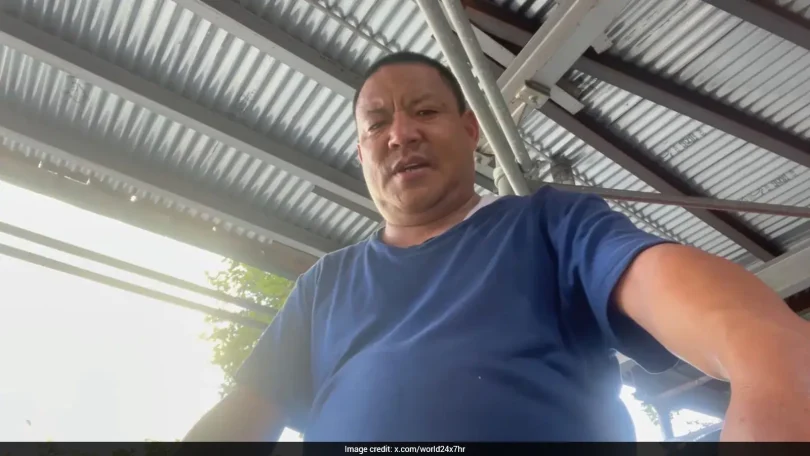
A Tibetan in exile who spent nearly two decades building a life in the United States chose the steps outside the United Nations headquarters in New York to make his final statement. On the evening of July 2, Lobsang Palden, known widely by his adopted name Lobga Rangzen, 52, set himself on fire in protest against Beijing’s tightening grip on Tibet. He did not survive.
His death has become the latest flashpoint in a decades-long wave of self-immolation protests by Tibetans demanding an end to Chinese rule, and it landed just a day after China’s new “Ethnic Unity and Progress” law took effect – legislation that Tibetan leaders say deepens the erasure of Tibetan identity and culture.
Before walking toward the UN building dressed in a traditional chupa and carrying the Tibetan national flag, Lobga recorded a final video message aimed squarely at his fellow exiles. In it, he warned against complacency among Tibetans who had built comfortable lives abroad, insisting that the freedoms of exile carried a responsibility, not an excuse to disengage from the cause. He invoked the Dalai Lama’s establishment of a democratic system for the exile community, framing it as a tool for unity rather than division, and appealed to Tibetans from all regions – U-Tsang, Kham and Amdo alike – to set aside old regional and sectarian rifts. His closing message was simple: he was not acting out of personal hardship, but for Tibet itself, and he called on every Tibetan to keep contributing to the struggle in whatever way they could.
News of his death sent shockwaves through the Tibetan people. Prayer services were held by Tibetan communities around the world, and in Dharamshala, the seat of the Central Tibetan Administration, the Sikyong and the entire CTA leadership gathered at the Sikyong Hall for a formal prayer service in his honour.
Speaking at the service, Kalon for the Department of Religion and Culture, Tsegyal Chukya Dranyi, who officiated in place of the Sikyong, called on Tibetans to stop turning to self-immolation, describing each such death as an irreplaceable loss to the movement.
Sikyong Penpa Tsering, in a written statement issued a day after the tragedy, struck a similar note of grief mixed with a plea for restraint. He said Lobga Rangzen’s decision was rooted entirely in devotion to the Tibetan cause, but stressed that “human life is precious and must be preserved to serve the long-term struggle for Tibet.” He directly linked the act to the conditions inside Tibet, stating plainly that “the unfolding genocide inside Tibet and the enforcement of the draconian ‘Ethnic Unity and Progress Law’ on 1 July are what drove Lobga Rangzen to this tragic decision.”
The Sikyong noted that Lobga Rangzen now joins a grim tally: at least 157 Tibetans inside Tibet have self-immolated since 2009 in acts of protest against Chinese rule, with his death marking one of the rare instances of the practice occurring among exiles abroad rather than inside Tibet itself.
Extending condolences to Lobga Rangzen’s family, friends, and the wider Tibetan community, the Sikyong pledged on behalf of the CTA and the Tibetan people that his sacrifice, and those before him, would not be forgotten or wasted. He also used the moment to issue a broader appeal, urging Tibetans in exile, foreign governments, and international human rights bodies to recognise the severity of the crisis unfolding inside Tibet and to speak out.
The self-immolation comes at a symbolically charged time for the exile community, with preparations underway for the Dalai Lama’s upcoming 91st birthday celebrations. In his final message, Lobga Rangzen had urged that the occasion be marked with joy and cultural celebration, even as he pressed Tibetans to reflect on their personal responsibility toward the cause he ultimately gave his life for.
As tributes continue to pour in, his death has reignited global attention on Tibet’s human rights situation, reviving long-standing calls for the international community to confront Beijing’s policies in the region.