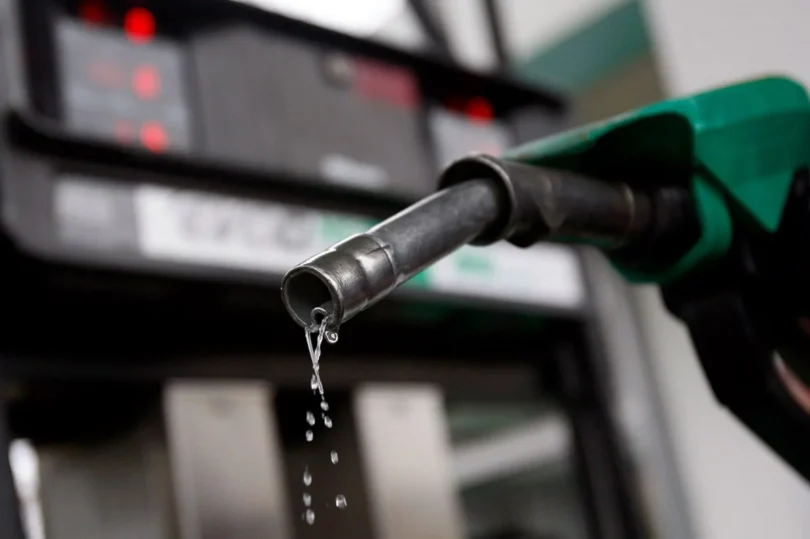
India’s aggressive push to increase ethanol blending in petrol is facing growing backlash from motorists, many of whom say the policy is being forced on a market that is not yet ready.
As the world’s largest two-wheeler market and third largest car market, India has been under pressure to cut its dependence on imported crude oil and reduce carbon emissions. To achieve this, the government began blending ethanol derived from crops like sugarcane and maize into petrol in the mid-2000s, gradually increasing the ratio over the years.
However, tensions escalated in April when authorities officially made E20 — petrol blended with 20% ethanol the default fuel nationwide. This move effectively replaced the earlier E10 blend, which most vehicles on Indian roads were originally designed to use.
Although unblended petrol is still available, it comes at a steep cost often 40 to 50 percent more expensive depending on the state leaving many motorists with little practical choice. Worse still, a significant number of consumers are unaware that opting out of E20 is even possible.
In recent months, frustration has spilled onto social media, with drivers complaining of engine wear, reduced performance, and declining fuel efficiency. The outrage reached a new peak last week when motorists staged a protest in Delhi, accusing the government of imposing E20 without adequate consultation or preparation.
Protesters argued that the policy has effectively transferred additional maintenance costs to consumers while limiting their freedom to choose alternative fuel options.
But the government has pushed back hard, dismissing the concerns as “misleading” and driven by “social media misinformation.” Officials insist the nationwide rollout followed extensive testing and that E20 poses no risk to vehicle engines.
In a rare show of unity, six major automakers joined a government press briefing last weekend, backing the policy. Rahul Bharti of Maruti Suzuki revealed that over 15 million older vehicles many not originally designed for E20 had been serviced without any widespread fuel related damage being detected.
Still, even manufacturers admitted that E20 reduces fuel efficiency by about 3 to 3.5 percent due to ethanol’s lower energy content. Independent estimates suggest the drop could be as high as 4 to 12 percent, raising further concerns among consumers already battling rising living costs.
From a policy standpoint, India’s biofuel strategy is ambitious. The government aims to slash its massive oil import bill, support domestic farmers, and lower emissions. Ethanol, being cleaner-burning and locally produced, is central to that plan — and officials say early data shows progress.
Global dynamics have also strengthened the government’s resolve. Disruptions in oil markets, including tensions involving Iran, have highlighted the risks of import dependency. Countries like Indonesia and Vietnam are similarly ramping up ethanol-blending programmes.
However, critics argue that India’s transition has been rushed.
Unlike Brazil often cited as a success story India compressed what took four decades into just three years. Brazil gradually built an ethanol-compatible vehicle fleet before mandating higher blends, giving consumers flexibility between E27 petrol and 100% ethanol.
India, by contrast, jumped from E10 in 2022 to mandatory E20 by 2025 five years ahead of its original target.
The consequence, analysts warn, is a mismatch between fuel policy and vehicle readiness. According to industry estimates, more than 75 percent of vehicles currently on Indian roads are not E20 compliant. A separate analysis suggests that only about 20 percent of petrol vehicles sold over the past 15 years can fully handle the higher blend.
This gap has intensified fears, particularly among owners of older vehicles, who worry about long-term engine damage, corrosion, and declining performance.
Mechanics and service centres appear divided. While some report no noticeable issues, others say they have begun seeing cases they believe are linked to the higher ethanol content.
For now, the debate continues to simmer pitting government ambition against consumer reality.
And as India races toward a greener future, millions of motorists are left asking a simple question: at what cost?
@BBC