National

Fuel Subsidy Dispute Puts ADC, NDC Ahead Of APC In 2027 Race

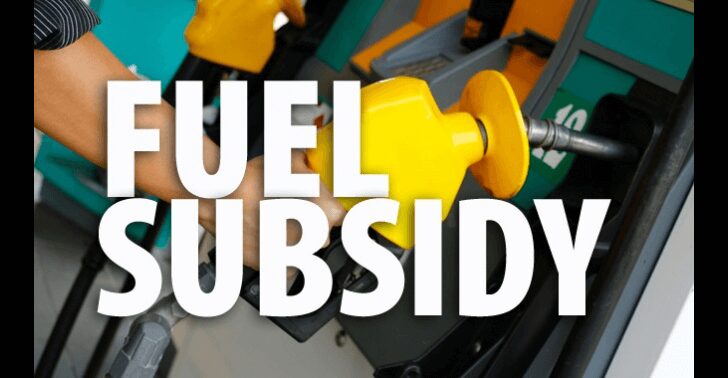
The dispute over the removal and possible restoration of petrol subsidy is emerging as a major issue ahead of the 2027 presidential election, with the African Democratic Congress (ADC) presidential candidate, Atiku Abubakar, and the Nigeria Democratic Congress (NDC) presidential candidate, Peter Obi, taking positions that appear to resonate with some voters affected by rising fuel and living costs.

For Ms Binta, a roadside roasted plantain seller in Gwarimpa, Abuja, the candidate who can bring down the price of fuel will earn her vote.

Binta told THE WHISTLER that the rising cost of fuel had increased her operating expenses and affected her ability to support her family.

She said the cost of transporting plantain from Zuba, Niger State, to Gwarimpa, Abuja, had risen from about N30,000 to N110,000.
“People no longer buy (roasted plantain) again like that because it’s expensive. If we don’t add money, we can’t make profit,” she said.

“I assist my husband with the school fees of the children. The worst part is that our house rent was increased. When we asked our landlord, he [blamed] Tinubu and the high cost of fuel.

“So for me and my husband and children, anybody that would bring down the price of fuel is who we would vote for,” she said.
The removal of petrol subsidy was announced by President Bola Tinubu on May 29, 2023, with the Federal Government maintaining that the policy was part of reforms in the petroleum sector.

The issue has since featured prominently in the political debate, particularly amid complaints over rising transportation and commodity costs.

In August, Atiku announced that he would restore subsidy in phases in what he called “production subsidy”, as part of measures to bring down the cost of goods.

His running mate, Rotimi Amaechi, also advocated subsidy restoration, arguing that it would help bring down fuel and other commodity prices.

The position has resonated with some voters who have experienced the impact of higher fuel and operating costs.
Binta, who said she voted for Obi in 2023, said she would support Atiku in 2027 because he announced the subsidy proposal earlier.

“Of course I would choose Atiku because he said it first. Anyone who agrees means he copied Atiku. I voted for Obi in 2023 but this time, I would go for the original, Atiku,” she said.

Emeka, a clothing trader who spoke with THE WHISTLER in Wuse 2, Abuja, also linked the decline in his business to the rising cost of living.

He said he now makes only a few sales because customers were prioritising food over clothing.
“People can’t eat now, how can they buy clothes?” he asked.

“For me, I would vote for Atiku because he showed he is a man and can stand up and take an unpopular decision in the interest of the people,” he said.

Unlike Atiku, however, the NDC presidential candidate initially aligned with Tinubu’s position during an appearance at the Nigerian Bar Association (NBA) conference, blaming corruption for why fuel subsidy was impossible.
His position generated disagreement among some of his supporters, while his running mate, Rabiu Kwankwaso, subsequently addressed the issue.

Obi later clarified his position during a visit to Sokoto in September, where he said he supported subsidy restoration.
Another voter, Ahmad, who said he would vote in Kogi State, said the increase in fuel and electricity costs had forced him to shut down his laundry business.

“I am a cab man now, but this too is not working because few passengers and the high cost of fuel have made profit so little one cannot manage again,” he told THE WHISTLER at his taxi park in Jabi.

Ahmad said he would not support Tinubu in 2027 and preferred Atiku over Obi.

“Certainly not President Tinubu. Atiku has a strong mind to push through what he would do. Peter Obi is not strong enough,” he said.

“Both have good policies, so for me, I would choose Atiku so he can restore fuel subsidies and deal with this corrupt wicked government.”

But Lucas, who said he is from Plateau State where he would vote, said that beyond the fuel subsidy, Obi was a better candidate, arguing that “he would also reduce production cost and make fuel cheaper by removing corruption.”

“Corruption is the biggest problem in that subsidy regime and Obi said it. Whether we like it or not, remove corruption and the cost of fuel would come down.

“So I’m voting for Obi. My wife and father and mother, brothers and sisters, our entire family would vote for Peter Obi,” he said.
The debate has dominated the social media, where THE WHISTLER’s findings indicated stronger positive mentions for Atiku and Obi than Tinubu.

The assessment, based on Meta AI, gave Atiku 49 per cent positive mentions, Obi 38 per cent and Tinubu 13 per cent when the three candidates were assessed for positive reviews.

When assessed specifically on policies, with subsidy included as an item, Atiku scored 51 per cent, Obi 42 per cent and Tinubu seven per cent.

Meta AI was queried 10 times, with the same result recorded on each occasion.

The Federal Government, however, has maintained that the subsidy regime is gone.

In a statement, Presidential spokesman Bayo Onanuga said the subsidy regime was dismantled as part of petroleum-sector reforms.
“The petrol subsidy regime that Nigerians knew before May 2023 was dismantled as part of the country’s petroleum-sector reforms,” Onanuga said.

“The Petroleum Industry Act established a new framework for the downstream petroleum market. It removed the subsidy, as was previously done for diesel, kerosene and aviation fuel, ending a system that had placed a substantial and often unpredictable burden on public finances.

“The PIA scheduled the subsidy removal by the end of June 2023. President Tinubu only accelerated it by weeks to stop further bleeding before the due date.”

The APC National Chairman, Nentawe Yilwatda, also criticised Atiku’s proposal to reverse the subsidy removal.
Yilwatda described it as a “deeply troubling policy U-turn” and questioned how the proposed subsidy would be financed.

“Economic policy cannot be reduced to election-season promises. Nigerians deserve to know precisely where the money will come from, what sectors will bear the cost and whether such a policy can be sustained without reopening the fiscal pressures that necessitated reform in the first place,” he said.

But economist Professor Akpan Ekpo said the flaws associated with the previous subsidy regime should not mean Nigerians must bear the consequences.

“Subsidy was clearly a scam, but the people suffering now are not the people involved in the scam. So we should have discussed what will be the adverse effect before removing it,” he said.

National

Fuel Subsidy Dispute Puts ADC, NDC Ahead Of APC In 2027 Race

The dispute over the removal and possible restoration of petrol subsidy is emerging as a major issue ahead of the 2027 presidential election, with the African Democratic Congress (ADC) presidential candidate, Atiku Abubakar, and the Nigeria Democratic Congress (NDC) presidential candidate, Peter Obi, taking positions that appear to resonate with some voters affected by rising fuel and living costs.

For Ms Binta, a roadside roasted plantain seller in Gwarimpa, Abuja, the candidate who can bring down the price of fuel will earn her vote.

Binta told THE WHISTLER that the rising cost of fuel had increased her operating expenses and affected her ability to support her family.

She said the cost of transporting plantain from Zuba, Niger State, to Gwarimpa, Abuja, had risen from about N30,000 to N110,000.
“People no longer buy (roasted plantain) again like that because it’s expensive. If we don’t add money, we can’t make profit,” she said.

“I assist my husband with the school fees of the children. The worst part is that our house rent was increased. When we asked our landlord, he [blamed] Tinubu and the high cost of fuel.

“So for me and my husband and children, anybody that would bring down the price of fuel is who we would vote for,” she said.
The removal of petrol subsidy was announced by President Bola Tinubu on May 29, 2023, with the Federal Government maintaining that the policy was part of reforms in the petroleum sector.

The issue has since featured prominently in the political debate, particularly amid complaints over rising transportation and commodity costs.

In August, Atiku announced that he would restore subsidy in phases in what he called “production subsidy”, as part of measures to bring down the cost of goods.

His running mate, Rotimi Amaechi, also advocated subsidy restoration, arguing that it would help bring down fuel and other commodity prices.

The position has resonated with some voters who have experienced the impact of higher fuel and operating costs.
Binta, who said she voted for Obi in 2023, said she would support Atiku in 2027 because he announced the subsidy proposal earlier.

“Of course I would choose Atiku because he said it first. Anyone who agrees means he copied Atiku. I voted for Obi in 2023 but this time, I would go for the original, Atiku,” she said.

Emeka, a clothing trader who spoke with THE WHISTLER in Wuse 2, Abuja, also linked the decline in his business to the rising cost of living.

He said he now makes only a few sales because customers were prioritising food over clothing.
“People can’t eat now, how can they buy clothes?” he asked.

“For me, I would vote for Atiku because he showed he is a man and can stand up and take an unpopular decision in the interest of the people,” he said.

Unlike Atiku, however, the NDC presidential candidate initially aligned with Tinubu’s position during an appearance at the Nigerian Bar Association (NBA) conference, blaming corruption for why fuel subsidy was impossible.
His position generated disagreement among some of his supporters, while his running mate, Rabiu Kwankwaso, subsequently addressed the issue.

Obi later clarified his position during a visit to Sokoto in September, where he said he supported subsidy restoration.
Another voter, Ahmad, who said he would vote in Kogi State, said the increase in fuel and electricity costs had forced him to shut down his laundry business.

“I am a cab man now, but this too is not working because few passengers and the high cost of fuel have made profit so little one cannot manage again,” he told THE WHISTLER at his taxi park in Jabi.

Ahmad said he would not support Tinubu in 2027 and preferred Atiku over Obi.

“Certainly not President Tinubu. Atiku has a strong mind to push through what he would do. Peter Obi is not strong enough,” he said.

“Both have good policies, so for me, I would choose Atiku so he can restore fuel subsidies and deal with this corrupt wicked government.”

But Lucas, who said he is from Plateau State where he would vote, said that beyond the fuel subsidy, Obi was a better candidate, arguing that “he would also reduce production cost and make fuel cheaper by removing corruption.”

“Corruption is the biggest problem in that subsidy regime and Obi said it. Whether we like it or not, remove corruption and the cost of fuel would come down.

“So I’m voting for Obi. My wife and father and mother, brothers and sisters, our entire family would vote for Peter Obi,” he said.
The debate has dominated the social media, where THE WHISTLER’s findings indicated stronger positive mentions for Atiku and Obi than Tinubu.

The assessment, based on Meta AI, gave Atiku 49 per cent positive mentions, Obi 38 per cent and Tinubu 13 per cent when the three candidates were assessed for positive reviews.

When assessed specifically on policies, with subsidy included as an item, Atiku scored 51 per cent, Obi 42 per cent and Tinubu seven per cent.

Meta AI was queried 10 times, with the same result recorded on each occasion.

The Federal Government, however, has maintained that the subsidy regime is gone.

In a statement, Presidential spokesman Bayo Onanuga said the subsidy regime was dismantled as part of petroleum-sector reforms.
“The petrol subsidy regime that Nigerians knew before May 2023 was dismantled as part of the country’s petroleum-sector reforms,” Onanuga said.

“The Petroleum Industry Act established a new framework for the downstream petroleum market. It removed the subsidy, as was previously done for diesel, kerosene and aviation fuel, ending a system that had placed a substantial and often unpredictable burden on public finances.

“The PIA scheduled the subsidy removal by the end of June 2023. President Tinubu only accelerated it by weeks to stop further bleeding before the due date.”

The APC National Chairman, Nentawe Yilwatda, also criticised Atiku’s proposal to reverse the subsidy removal.
Yilwatda described it as a “deeply troubling policy U-turn” and questioned how the proposed subsidy would be financed.

“Economic policy cannot be reduced to election-season promises. Nigerians deserve to know precisely where the money will come from, what sectors will bear the cost and whether such a policy can be sustained without reopening the fiscal pressures that necessitated reform in the first place,” he said.

But economist Professor Akpan Ekpo said the flaws associated with the previous subsidy regime should not mean Nigerians must bear the consequences.

“Subsidy was clearly a scam, but the people suffering now are not the people involved in the scam. So we should have discussed what will be the adverse effect before removing it,” he said.