More than 150,000 people were forced to abandon their homes after the Fukushima nuclear disaster struck Japan in March 2011, transforming once-bustling towns into eerie ghost towns almost overnight. Families fled with only the essentials, believing they would soon return, but many never did. In the rush to escape the radiation, thousands of pets and farm animals were left behind with little hope of survival. As days turned into months, they wandered empty streets and deserted farms searching for food and their owners. Amid the devastation, one resident made an extraordinary decision: he returned to the exclusion zone to care for the forgotten animals.
Who is Naoto Matsumura , the man who returned after the Fukushima nuclear disaster?
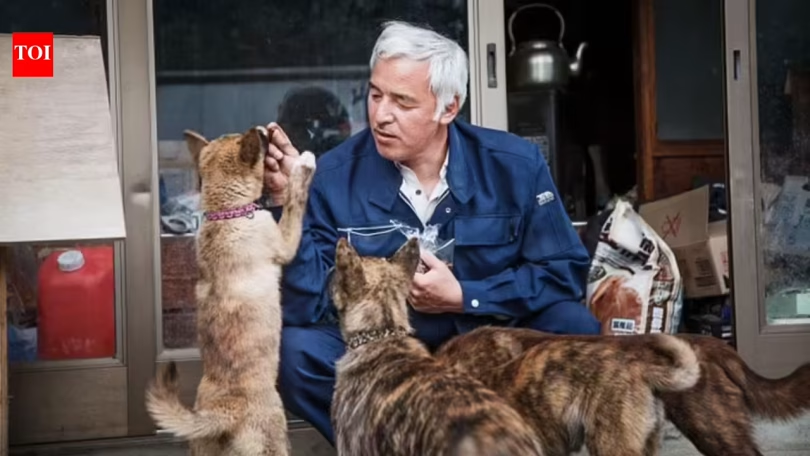
Naoto Matsumura is a resident of Tomioka, a town located within the evacuation zone surrounding the Fukushima Daiichi Nuclear Power Plant. Like thousands of others, he initially left after the government ordered residents to evacuate. However, he soon realised that his own animals, along with thousands of others, had been abandoned. Unable to ignore their suffering, Matsumura returned to the exclusion zone. What began as a mission to care for his own pets soon became a lifelong commitment to helping every animal he could find.
What happened during the Fukushima nuclear disaster?
On 11 March 2011, a magnitude 9.0 earthquake struck off Japan’s north-eastern coast, generating a massive tsunami. Waves reaching more than 14 metres overwhelmed the Fukushima Daiichi Nuclear Power Plant, disabling its cooling systems and causing meltdowns in three reactors. Hydrogen explosions released radioactive material into the surrounding environment, prompting one of the largest evacuations in Japan’s history. More than 150,000 residents were ordered to leave their homes, and a 20-kilometre exclusion zone was established around the damaged plant.
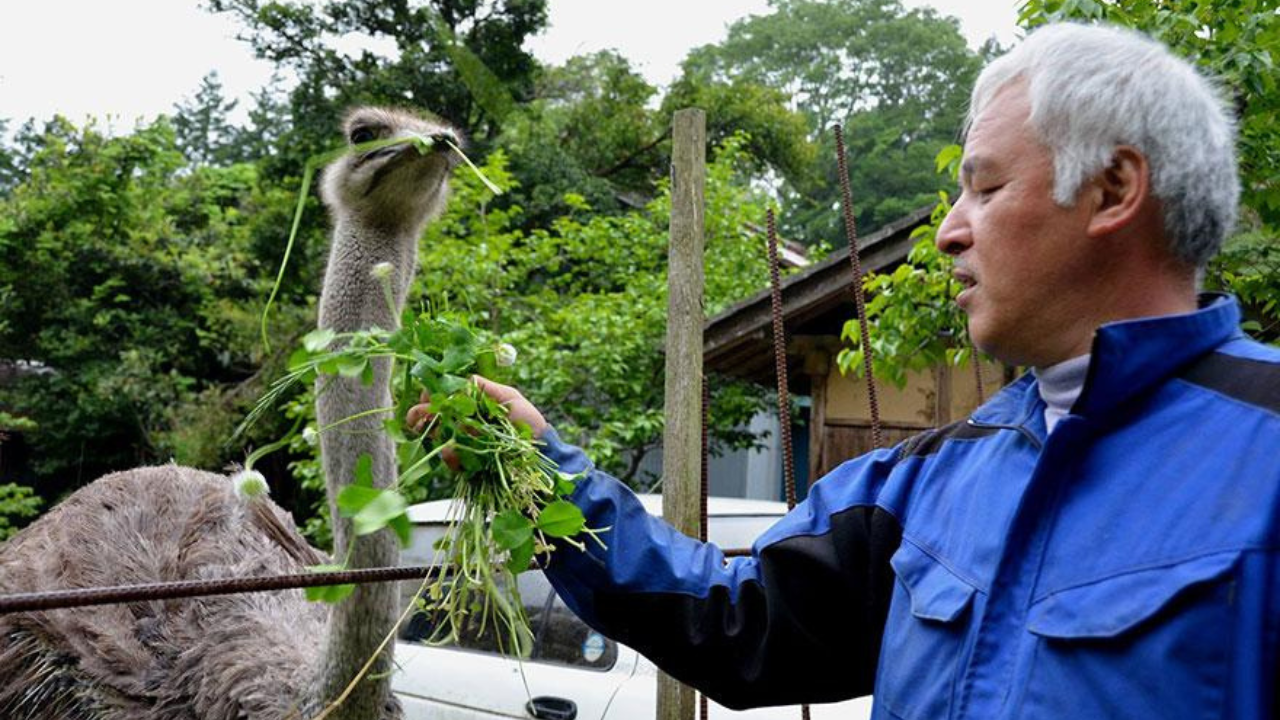
Thousands of animals were left behind
The emergency evacuation prioritised human lives, leaving little time to rescue pets or transport livestock. Many dogs and cats were trapped inside homes, while cattle, horses, pigs and chickens remained on deserted farms without food or water. Some owners believed they would be allowed back within days, but the prolonged exclusion meant many animals were left to fend for themselves. Investigations later found numerous animals had died from starvation or dehydration, while others roamed the abandoned towns searching for food and their missing owners.
A daily mission inside the exclusion zone
Matsumura dedicated his life to feeding and caring for the animals that remained. Every day, he travelled through deserted streets carrying sacks of animal feed, water and supplies. He looked after abandoned dogs, stray cats, cattle, horses, pigs and even ostriches from a nearby farm. Some frightened animals gradually learned to trust him, while others simply stayed close after receiving food and care. Despite limited electricity, scarce resources and the constant challenges of living inside the exclusion zone, he continued his work without expecting recognition.
Was it safe to live in the exclusion zone?
Living inside the exclusion zone carried genuine risks because radiation levels were significantly higher than normal in many locations following the accident. Matsumura underwent regular health monitoring to measure his radiation exposure. Although his accumulated dose was higher than that of the general public, medical experts reported it remained considerably lower than many people assumed, partly because he spent much of his time outdoors rather than in heavily contaminated buildings. Matsumura has often said he accepted the risks because he believed the animals had no one else to help them.
Support gradually arrived
In the early days, Matsumura largely relied on his own determination and limited supplies. As his story spread through newspapers, documentaries and social media, volunteers, veterinarians and animal welfare organisations began supporting his efforts. Donations of animal feed, medicine, protective equipment and food made it possible for him to continue caring for hundreds of animals over the following years. His remarkable commitment earned him international admiration and the nickname “The Guardian of Fukushima’s Animals.”
The legacy of Fukushima’s guardian
Although many evacuation orders have since been lifted and some residents have returned, Fukushima’s recovery continues more than a decade after the disaster. Matsumura’s actions have become a symbol of compassion amid one of the world’s worst nuclear accidents. His story has also prompted discussions about including pets and livestock in disaster evacuation planning so that future emergencies do not leave animals behind. In a landscape marked by loss and destruction, his unwavering dedication remains a reminder that even in the darkest moments, kindness can endure.