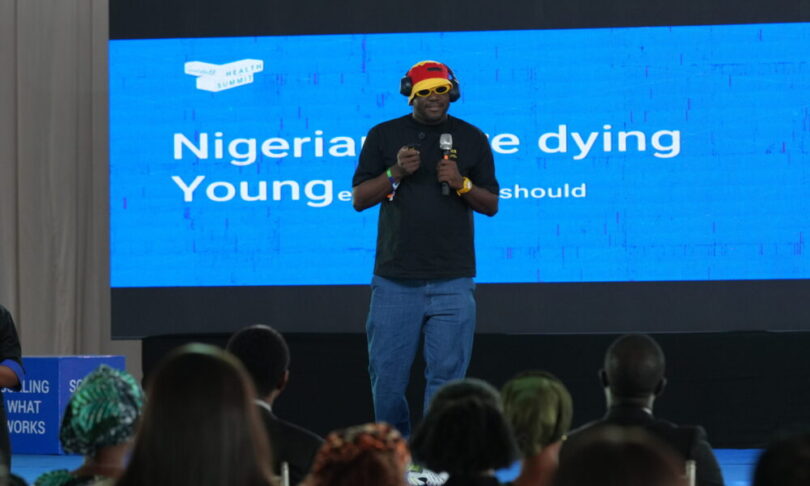
Presenting findings from the LiveWell Longevity Factor Report on Wednesday in Abuja, Mr Emoruwa said the factors determining how long Nigerians live extend beyond the immediate causes of illness to include the cost of treatment, experiences with public services and exposure to pollution
Gatefield, a public affairs and health advocacy organisation, has called for action to address financial hardship, corruption and environmental risks that are undermining Nigerians’ ability to live longer, healthier lives.
Based on responses from more than 1,000 people surveyed in Abuja, Lagos and Kano, the report found that the conditions affecting how long Nigerians live extend beyond the immediate causes of illness to include the cost of healthcare, experiences with public services and exposure to pollution.
“We asked ourselves the question: why are Nigerians dying younger than they ideally should?” Mr Emoruwa said, explaining that the research sought to identify underlying factors often overlooked in discussions about mortality.
He said the findings point to the combined effects of chronic illnesses, financial insecurity and environmental pressures, which make it more difficult for many Nigerians to maintain good health.
Mr Emoruwa presented the findings at the summit, which began on Wednesday and ends on Thursday under the theme, “Scaling What Works”.
The event brings together policymakers, public health experts, international development partners and civil society leaders to discuss non-communicable disease prevention and health system reform.
One of the report’s findings is the extent to which chronic diseases affect households, including people who are not themselves patients but provide care for relatives.
Mr Emoruwa said one in eight respondents reported caring for someone living with a chronic condition, including diabetes, hypertension or heart disease.
He added that nearly half of respondents reported managing a health condition either for themselves or for a family member.
The findings illustrate how the consequences of chronic diseases extend beyond individual patients, placing additional demands on family members who may have to combine caregiving with work and other responsibilities.
For people living with conditions that require continuous treatment, the ability to obtain medicines, attend consultations and follow medical advice can determine whether their conditions remain under control.
Mr Emoruwa said Nigeria must therefore pay greater attention to preventing illnesses and addressing the factors that make it difficult for people to maintain their health.
The report also highlighted the financial burden of accessing healthcare in Nigeria, where patients bear a substantial share of treatment costs. The Commonwealth Fund’s 2026 profile of Nigeria’s health system shows that out-of-pocket payments accounted for about 70.9 per cent of total health expenditure in 2023.
Reflecting this wider challenge, Mr Emoruwa said more than half of the respondents surveyed for the LiveWell report had struggled financially to meet healthcare expenses.
He said 27 per cent had borrowed money to pay for healthcare, while 14 per cent had skipped healthcare expenses altogether.
Such pressures can be particularly damaging for people with chronic conditions who require regular medication and follow-up care.
A patient who cannot afford prescribed medicines, he said, may interrupt treatment, potentially increasing the risk of complications and the need for more expensive interventions later.
Mr Emoruwa argued that the availability of medical services alone does not guarantee access if patients cannot afford to use them.
He called for more effective investment in public services, including healthcare, education and maternal and child nutrition, saying public spending should prioritise interventions that improve people’s quality of life.
The LiveWell report also identified experiences with public services as a concern.
Mr Emoruwa said three in four respondents considered to be at elevated risk of chronic diseases reported experiencing corruption when accessing public services.
He argued that the experience of navigating public institutions can compound the difficulties faced by people already dealing with illness and financial hardship.
“The stressor that is politics has become an important part of what determines whether we are living healthy or not,” he said.
Environmental conditions were another concern identified by the research.
Mr Emoruwa said more than half of respondents reported exposure to pollution, raising questions about the quality of the environments in which people live.
He also drew attention to rising temperatures and the loss of trees and green spaces, arguing that environmental decisions should be considered part of public health planning.
The findings, he said, underscore the need to approach disease prevention beyond hospitals and clinics, including measures that improve environmental conditions and reduce exposure to health risks.
Despite the challenges, Mr Emoruwa said Nigeria already has evidence of interventions that can reduce the risk of chronic diseases and improve health outcomes.
He cited taxes on sugar-sweetened beverages, alcohol and tobacco, restrictions on marketing unhealthy products to children, and front-of-pack nutritional labelling as measures that can help reduce exposure to risk factors associated with non-communicable diseases.