
National

‘Government Has Failed Nigerians, We Must Change Attitude’ — Presbyterian Prelate

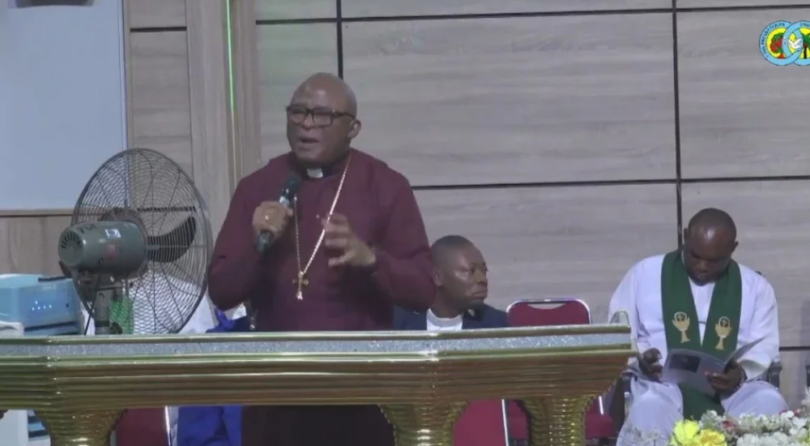
The Prelate of the Presbyterian Church of Nigeria, Ekpeyong Akpanika, said Nigeria’s leadership has failed citizens, as he warned that widespread food adulteration is contributing to health problems in the country.

Akpanika spoke on Thursday at the church’s Gwarinpa Parish in Abuja during a service marking Nigeria’s 66th Independence Day.

He said poor governance could not be blamed entirely on political leaders, arguing that citizens also had a responsibility to contribute to a better society.

Akpanika raised particular concern over the adulteration of palm oil, saying consumers should be cautious about the products they buy.

“Virtually everything we eat has been adulterated.”

He said adulterated palm oil was being transported and sold to unsuspecting consumers, and linked contaminated food to some illnesses experienced in the country.

“Most of the sicknesses we are having today in Nigeria is as a result of adulterated food,” Akpanika said.

He questioned why young people, including those as young as 18, were developing serious illnesses such as cancer, saying the situation should prompt Nigerians to examine the quality of the food they consume.

The Prelate said changing Nigeria required responsibility from citizens as well as government officials, urging Nigerians in different professions to uphold integrity in their daily activities.

“We need something new. We need a new commitment, a renewed commitment to integrity, justice, responsible leadership, and good citizenship,” he said.

Akpanika also challenged political leaders to treat public office as a responsibility to citizens rather than an avenue for personal or family enrichment.

“Nigerians need leadership that understands that public office is a service and not a personal interest.

“Public resources are not personal property. Public offices is not a private inheritance. Public offices is not for your family. Political power is not a license to oppress people,” he said.

He said government policies had direct consequences for families, workers, farmers, students and communities, urging leaders to consider those effects when making decisions.

He extended the call for integrity to teachers, civil servants, business owners, ministers, parents and young people, saying citizens’ expectations of Nigeria must also be reflected in their individual conduct.

On the forthcoming general election, Akpanika urged Nigerians to take their civic responsibilities seriously and assess candidates based on their records and capacity.

He advised voters against selling their votes or allowing ethnicity, religion, money, propaganda or political intimidation to influence their choices.

“Let us vote wisely, peacefully, and with our conscience,” he said.

The Prelate urged voters to examine the records, policies, integrity and capacity for public service of candidates seeking elective positions at the local, state and federal levels.

Akpanika also urged Nigerians not to lose hope in the country despite its challenges, saying the 66th Independence anniversary should prompt citizens to renew their commitment to building Nigeria.

He said Nigerians should move beyond complaining about the country’s problems and take responsibility for addressing them.

“Nigeria does not need only people who demand change. It needs people who are willing to become instruments of that change,” he said.

The Prelate prayed for divine intervention in Nigeria and expressed hope that the country would have leaders “after God’s own heart” in the coming election.

National

‘Government Has Failed Nigerians, We Must Change Attitude’ — Presbyterian Prelate

The Prelate of the Presbyterian Church of Nigeria, Ekpeyong Akpanika, said Nigeria’s leadership has failed citizens, as he warned that widespread food adulteration is contributing to health problems in the country.

Akpanika spoke on Thursday at the church’s Gwarinpa Parish in Abuja during a service marking Nigeria’s 66th Independence Day.

He said poor governance could not be blamed entirely on political leaders, arguing that citizens also had a responsibility to contribute to a better society.

Akpanika raised particular concern over the adulteration of palm oil, saying consumers should be cautious about the products they buy.

“Virtually everything we eat has been adulterated.”

He said adulterated palm oil was being transported and sold to unsuspecting consumers, and linked contaminated food to some illnesses experienced in the country.

“Most of the sicknesses we are having today in Nigeria is as a result of adulterated food,” Akpanika said.

He questioned why young people, including those as young as 18, were developing serious illnesses such as cancer, saying the situation should prompt Nigerians to examine the quality of the food they consume.

The Prelate said changing Nigeria required responsibility from citizens as well as government officials, urging Nigerians in different professions to uphold integrity in their daily activities.

“We need something new. We need a new commitment, a renewed commitment to integrity, justice, responsible leadership, and good citizenship,” he said.

Akpanika also challenged political leaders to treat public office as a responsibility to citizens rather than an avenue for personal or family enrichment.

“Nigerians need leadership that understands that public office is a service and not a personal interest.

“Public resources are not personal property. Public offices is not a private inheritance. Public offices is not for your family. Political power is not a license to oppress people,” he said.

He said government policies had direct consequences for families, workers, farmers, students and communities, urging leaders to consider those effects when making decisions.

He extended the call for integrity to teachers, civil servants, business owners, ministers, parents and young people, saying citizens’ expectations of Nigeria must also be reflected in their individual conduct.

On the forthcoming general election, Akpanika urged Nigerians to take their civic responsibilities seriously and assess candidates based on their records and capacity.

He advised voters against selling their votes or allowing ethnicity, religion, money, propaganda or political intimidation to influence their choices.

“Let us vote wisely, peacefully, and with our conscience,” he said.

The Prelate urged voters to examine the records, policies, integrity and capacity for public service of candidates seeking elective positions at the local, state and federal levels.

Akpanika also urged Nigerians not to lose hope in the country despite its challenges, saying the 66th Independence anniversary should prompt citizens to renew their commitment to building Nigeria.

He said Nigerians should move beyond complaining about the country’s problems and take responsibility for addressing them.

“Nigeria does not need only people who demand change. It needs people who are willing to become instruments of that change,” he said.

The Prelate prayed for divine intervention in Nigeria and expressed hope that the country would have leaders “after God’s own heart” in the coming election.