
The United States’ decision to step away from the Iran war has left many questions about what comes next, not just for Washington and Tehran but also for America’s allies in the Middle East.
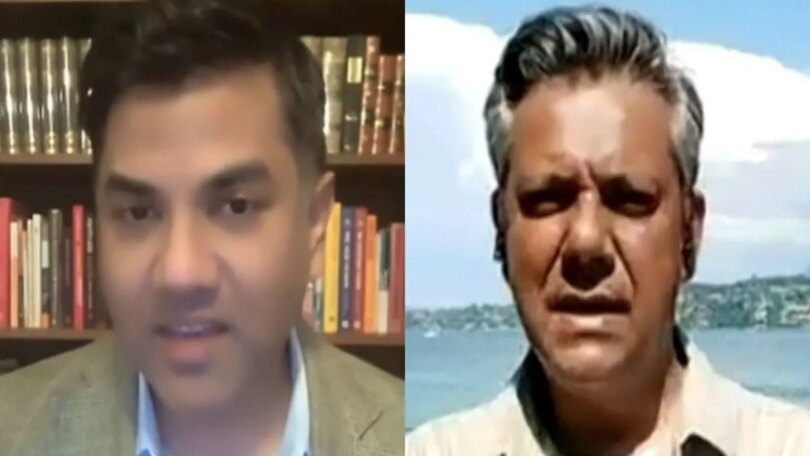
Speaking to NDTV’s Vishnu Som, Ravi Agrawal, editor-in-chief of Foreign Policy, said the war had become deeply unpopular in the US and many Americans were simply relieved that US President Donald Trump wanted to end American involvement.
“The American people won’t be focused too much on how they’re exiting, but they may ask tough questions about why they went into the war in the first place,” Agrawal said.
He added that Americans would welcome lower spending abroad and a greater focus on domestic issues, while Israel remained one of the most unhappy parties with the decision.
Gulf Nations May Reassess US Partnership After Iranian Strikes
The impact of the conflict is also being felt across the Gulf, where several countries host American military bases. Agrawal said these nations now have to reconsider whether their close alignment with Washington actually makes them safer.
“For all the countries that invited the United States to build military bases on their soil, those countries now realise they essentially put a target on their backs,” he said.
According to Agrawal, Iran’s strikes on US-linked facilities sent a message that partnering with America could also make countries vulnerable.
He pointed out that Gulf nations are not a single group and will respond differently. While countries like the UAE may strengthen their partnership with the US, others such as Saudi Arabia could look at balancing relations between Washington and Beijing.
“Those countries now will be weighing very carefully what it means to align with the United States,” he said.
Agrawal added that countries in the region are also recognising that Iran remains a major power they will have to deal with.
“Iran is not a tiny country. This is a country of many tens of millions of people. It has shown through this war that it is no pushover,” he said.
Nuclear Talks Face A Difficult Road Ahead
On the question of Iran’s nuclear programme, Agrawal said the chances of reaching a deal similar to the 2015 agreement were limited.
The Trump administration has argued that the latest understanding has created a 60-day window to restart talks, but Agrawal warned that negotiating such a major agreement in such a short time would be extremely challenging.
“The Obama nuclear deal took the better part of two years to negotiate. To expect to negotiate in 60 days an agreement, knowing fully well that Iran will try to exploit that deadline, means that the United States would approach any potential nuclear negotiations with its hands tied behind its back,” he said.
He added that any future agreement would likely be weaker and easier to break compared to the previous deal.
Iran Still Retains Major Military Capability
Agrawal also highlighted concerns over Iran’s remaining military strength, particularly its ballistic missile programme.
He said US intelligence assessments suggest Iran still has a significant part of its missile capabilities intact.
“In effect, this means that Iran, at the drop of a hat, could find it very easy to attack Israel, to attack other countries in the region, to hurt countries’ energy infrastructure,” he said.
Beyond missiles, he pointed to Iran’s use of low-cost drones, which he said could continue to pose a major threat to regional security.
Agrawal also noted that countries involved in defending against Iranian attacks have used large amounts of missile defence systems, leaving them concerned about future conflicts.
PM Modi-Trump Meeting: Strong Ties Beyond Political Statements
Discussing Prime Minister Narendra Modi’s meeting with Trump, Agrawal said the warm public remarks should be viewed carefully.
He said India has faced challenges during Trump’s second term, especially over tariffs, but the relationship between the two countries extends beyond one leader.
“Trump will say what he will say. The reality is what happens a few levels down,” Agrawal said.
He added that cooperation between India and the US in areas such as technology and defence remains strong and is unlikely to change because of one president.
“I’m almost certain that were the United States to get a new president, you will see the US-India relationship go from strength to strength,” he said.