
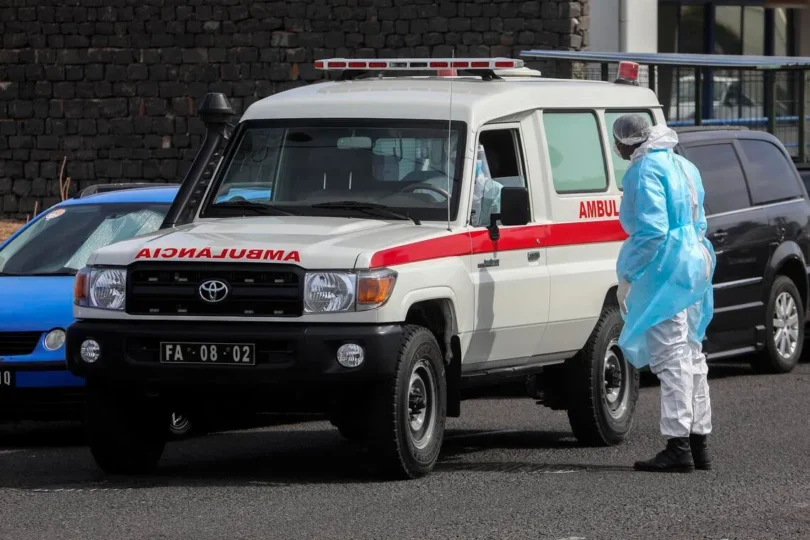
Medical workers in protective suits. Contact tracing. PCR tests and World Health Organization (WHO) briefings.
Just when much of the public had presumed to have left those ominous images and turns of phrase intertwined with the COVID-19 pandemic in the rearview mirror, a deadly hantavirus outbreak aboard a Dutch cruise ship has dredged up familiar anxieties.
Health experts, aware of the scars COVID left on people, including those who are still dealing with it, have sought to dispel comparisons between hantavirus and coronavirus. They said this week that the viruses spread quite differently and were not close in magnitude.
Still, those reassurances have not quelled the public’s anxiety or its appetite for medical advice from some of the same doctors who commanded attention on television as COVID-19 marched across the globe.
“I have COVID PTSD,” Dr Celine R. Gounder, editor at large for public health at KFF Health News and an infectious disease expert, said in an interview on May 7.
“There are parts of New York City I cannot walk by without seeing the refrigerated mortuary trucks. I had to get rid of certain things I was using during the pandemic, clothing or otherwise, because it was triggering. So I completely get where people are coming from.”
“That said,” Dr Gounder was swift to emphasise, “not all infectious diseases are created equal.”
In Spain, the president of the Canary Islands lodged a protest against allowing the cruise ship to dock there, while a flurry of threads have begun to appear on social media sites pondering whether it was safe to travel at all.
The mention of masks particularly reverberated on the far right politically, where some have begun using the outbreak to warn against the prospect of new restrictions or government mandates.
Three passengers who were travelling on the Dutch cruise ship MV Hondius died during the hantavirus outbreak, which has sickened at least five other people aboard the vessel with symptoms of the rare disease.
On May 10, the ship is expected to approach the island of Tenerife, where passengers will be brought by boats for evacuation flights to their home countries.
Most strains of the virus, which is primarily carried by rodents, cannot be spread from person to person.
But the one identified in the ship outbreak, the Andes strain, can move between people, according to medical experts, who underscored that it requires repeated close contact.
“This is not coronavirus,” Dr Maria Van Kerkhove, the WHO’s head of epidemic and pandemic preparedness, said at a news conference in Geneva on May 7. “This is a very different virus.”
Dr van Kerkhove said she could understand the intense demand for answers about the cluster of infections.
“I want to be unequivocal here: This is not SARS-CoV-2,” she said, referring to the virus that causes COVID. “This is not the start of a COVID pandemic.”
Around the world, health authorities monitored suspected cases of hantavirus infection. A number of these potential patients tested negative. But the concerns were a reminder of how every allergy season sneeze or wheeze could prompt existential dread in the early months of the COVID pandemic.
In an appearance on the Today show on May 7, Dr Ashish Jha, who oversaw the Biden administration’s pandemic response as it wound down, said he was confident that public health authorities could contain the spread of the hantavirus if they followed long-standing contact tracing protocols.
“We’ve got to track down everybody who left the cruise ship and figure out where they are, make sure that we’re monitoring them,” he said. “If they develop any symptoms, then they’ve got to get isolated.”
Such attempts at reassurance may be interpreted differently by some critics of the Trump and Biden administrations’ responses to the COVID pandemic.
The far-right commentator Glenn Beck on May 7 signalled the need to resist a return to COVID-era measures on his show.
“They’ll do exactly the same thing they did last time, and then our kids won’t go to school, and we’ll have masks,” he said.
Plenty of others on social media sought to introduce levity in the moment, harking back to quirky rituals and skills they honed during the pandemic.
“Practising my dancing for when the hantavirus becomes the new covid,” one young woman wrote in a post. NYTIMES