
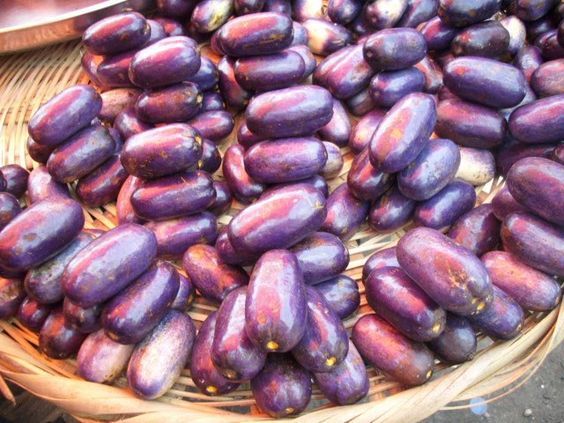
The African pear, scientifically known as Dacryodes edulis and locally referred to as ube in Nigeria, is a seasonal fruit cherished across many parts of West and Central Africa.
With its rich purple skin and butter-soft texture when roasted or soaked in hot water, the African pear is more than just a delicious accompaniment to roasted maize, it is also packed with impressive health benefits.
1. Rich in healthy fats
African pear is high in monounsaturated and polyunsaturated fats, which are beneficial for heart health.
These healthy fats help reduce bad cholesterol levels (LDL) and increase good cholesterol (HDL), potentially lowering the risk of heart disease and stroke.
2. A good source of plant protein
Though not as protein-rich as legumes, African pear contains enough plant-based protein to contribute to a balanced diet.
For individuals seeking to reduce meat intake or follow a more plant-focused lifestyle, ube offers a tasty and nutritious alternative.
3. Boosts skin and eye health
African pear is rich in antioxidants, particularly vitamins C and E, which support skin elasticity and combat free radicals.