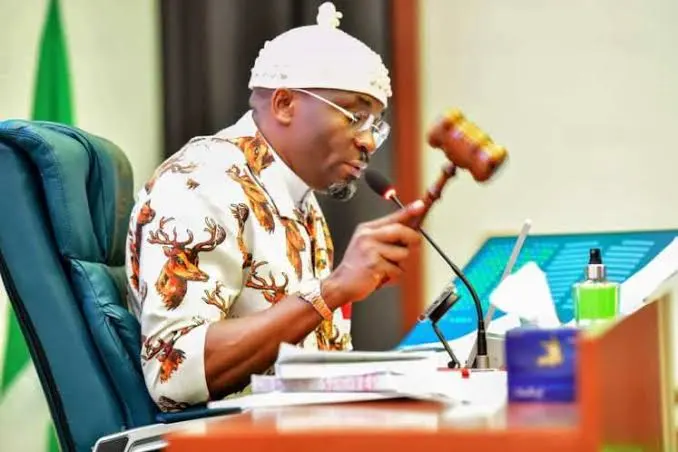
The Igbo Community Association (ICA) FCT has called on the Economic and Financial Crimes Commission (EFCC) to investigate Deputy Speaker of the House of Representatives, Benjamin Kalu, over reports that more than ₦700 million was inserted into the national budget for the maintenance and refurbishment of churches in his constituency.
In a statement issued in Abuja on Thursday, the association, which said it represents the Igbo community resident in the Federal Capital Territory, described the reported budget allocation as a “misplacement of public trust,” expressing disappointment that such spending was prioritized amid pressing socio-economic challenges in the South-East.
The statement, signed by the association’s President General, Nze (Engr.) Ikenna Ellis-Ezenekwe, and Secretary General, Mazi Chinwoke Emmanuel Onah, argued that Abia State and the wider South-East continue to face deteriorating infrastructure, insecurity, unemployment, and inadequate healthcare and education.
According to the association, allocating hundreds of millions of naira to renovate churches at a time when schools, hospitals, and other critical public services require urgent intervention raises serious questions about governance priorities.
ICA FCT also questioned the transparency surrounding the reported projects, noting that the churches involved were unnamed and urging authorities to determine whether the allocations were legitimate constituency projects or potential channels for political funding.
The association maintained that Nigeria is a secular state and said public resources should be directed toward projects that address the immediate needs of citizens rather than cosmetic renovations of religious institutions.
Consequently, ICA FCT called on the EFCC and other anti-corruption agencies to conduct a comprehensive investigation into the reported budget insertions and ensure full accountability.
The group also urged Kalu to refocus his legislative efforts on development projects that directly improve the welfare of his constituents, stating that the South-East deserves effective representation from its highest-ranking political office holders.
The statement concluded by insisting that the region “can no longer afford or accept this type of disconnect and poor representation” from elected leaders.