RIYADH – The International Monetary Fund on July 29 said the economy of Saudi Arabia, the world’s largest oil exporter, has been resilient in the Middle East war, but cautioned against the impact of future uncertainty.
Despite the war that erupted in February with US and Israeli strikes on Iran, and the retaliatory attacks on Saudi and its neighbours, the IMF said the Gulf kingdom’s economy showed “agility and resilience”.
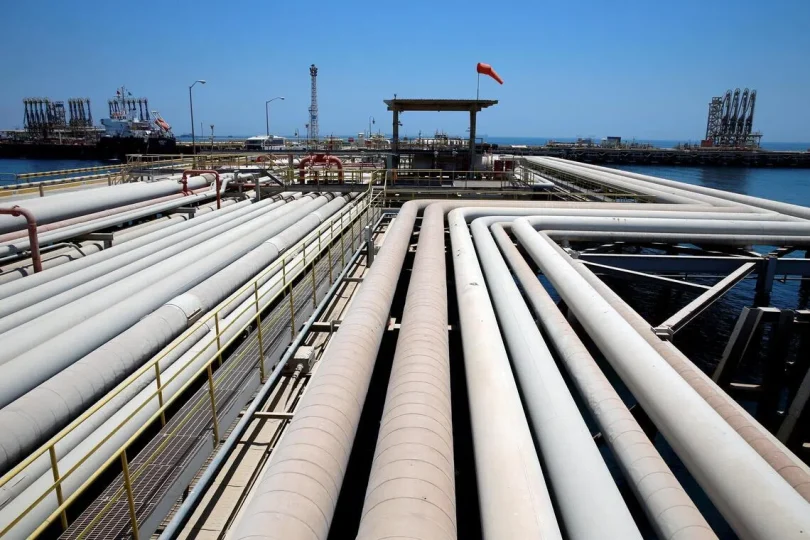
In the concluding statement of its “Article IV” consultation, the institution’s economists hailed “Saudi Arabia’s strong macroeconomic fundamentals and diversified oil and logistics infrastructure”.
During the war, US and Iran have vied for control of the Hormuz Strait, a key waterway for the export of oil and gas, leading to a near halt in shipping that the IMF said has “disrupted activity, curtailed trade, including oil exports, and dented confidence”.
“A recovery is expected to take hold once maritime traffic through the strait gradually returns,” it said.
“The outlook hinges critically on the evolution of the conflict, with risks to the downside. Continued disruptions to shipping through the Strait could further curtail trade, weaken confidence, and weigh on growth and diversification,” the IMF added.
Last week, Yemen’s Iran-backed Houthi rebels announced their own parallel maritime blockade of Saudi Arabia, hitting Saudi tankers in the Red Sea.
Riyadh has sought to diversify Saudi Arabia’s economy through de facto ruler Crown Prince Mohammed bin Salman’s ambitious Vision 2030 reforms.
In recent months, some of the plan’s more extravagant projects have been scaled back or scrapped to save costs, but the IMF said Vision 2030 had “strengthened the non-oil economy, expanded the role of the private sector, advanced economic diversification”. AFP