
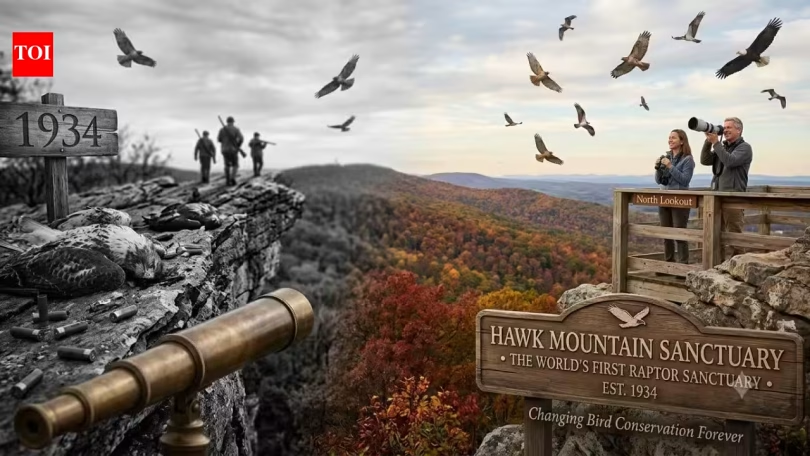
Every autumn, the skies above a forested ridge in eastern Pennsylvania fill with movement. Eagles drift on rising air, falcons streak across the horizon and kestrels appear in quick flashes before disappearing south. For generations, Hawk Mountain has been one of North America’s best places to witness this seasonal migration because the landscape naturally funnels birds of prey along a narrow route through the Appalachian Mountains. Yet the ridge was not always known for conservation. Long before visitors arrived carrying binoculars and cameras, people climbed the same slopes with rifles.The transformation from a place where raptors were routinely shot to a protected sanctuary reshaped both bird conservation and the scientific study of migration, leaving a legacy that continues nearly a century later.
Why so many raptors pass over Hawk Mountain
Hawk Mountain sits within the Appalachian chain, where the shape of the landscape works in favour of migrating raptors. As birds travel between their breeding territories and wintering grounds, many avoid unnecessary effort by taking advantage of warm columns of rising air and favourable winds. The ridge creates ideal conditions for soaring flight, allowing large birds to cover long distances while using relatively little energy.That combination of geography and weather means thousands of raptors pass over the mountain during migration seasons. Some days bring only a steady trickle, while strong winds and good thermals can produce an almost continuous procession overhead. Visitors may watch bald eagles, broad-winged hawks, peregrine falcons and other species travelling within surprisingly close range.
When migration attracted hunters instead of birdwatchers
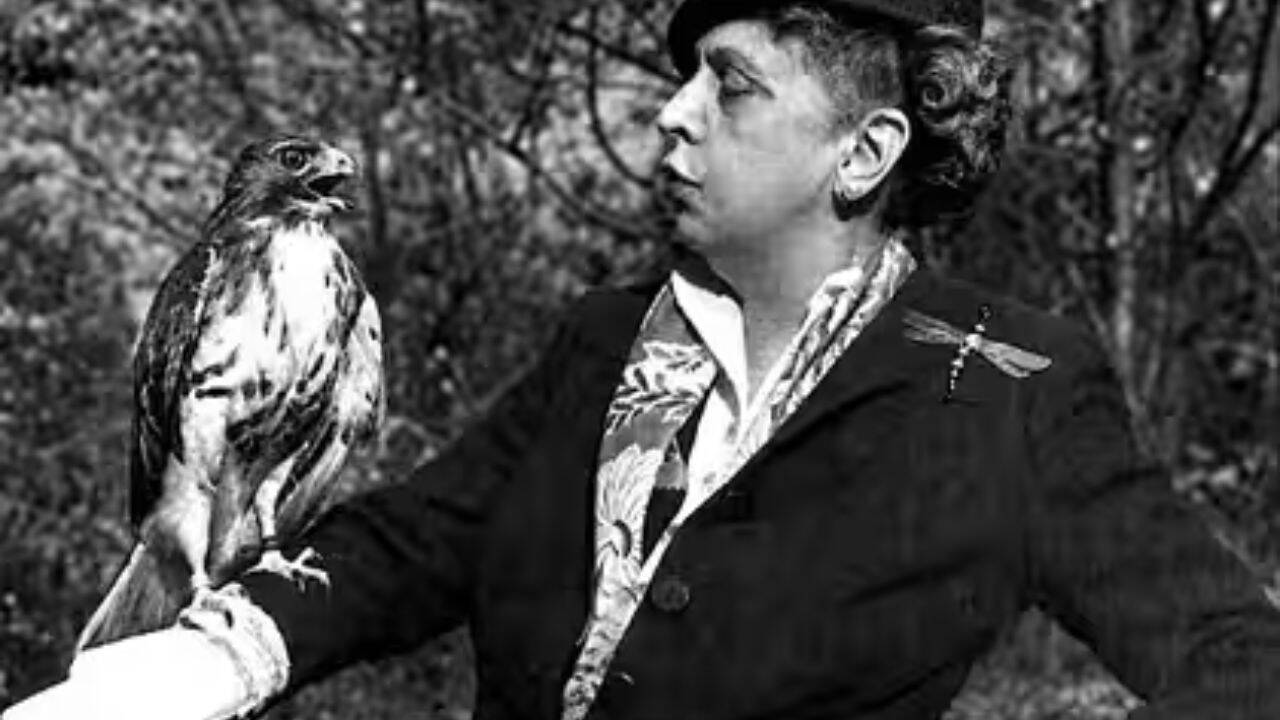
The conditions that concentrated birds also made Hawk Mountain attractive to hunters during the early twentieth century. Large numbers of raptors gathered in one place, creating easy targets as they crossed the ridge.At the time, birds of prey received little public sympathy. Hawks were widely viewed as pests because they hunted smaller birds and farm animals, and some government agencies even offered payments for certain species. Recreational shooting became common on the mountain, and many birds were killed during migration each year.Photographs showing piles of dead hawks eventually reached conservation campaigner Rosalie Edge in 1933. The images shocked her and convinced her that direct action was needed where official protection had failed.
The birth of the world’s first raptor sanctuary
Rather than simply campaigning for stronger wildlife laws, Edge focused on saving the mountain itself. In 1934 she secured roughly 1,400 acres through a lease and appointed experienced bird enthusiasts Maurice and Irma Broun to live and work on the site.Their task was straightforward but demanding. They discouraged hunters, watched over the property and helped establish the area as a refuge instead of a shooting ground. Once the immediate threat had eased, the land was opened to visitors interested in observing migration rather than exploiting it.That decision marked the beginning of Hawk Mountain Sanctuary, recognised as the world’s first sanctuary created specifically for birds of prey.
The science behind Hawk Mountain’s migration records
Protection of the site quickly led to another lasting contribution. The Brouns began recording every migrating raptor they observed, producing a daily count that started in September 1934.The tradition never stopped. Staff members and volunteers continue the seasonal counts, creating what is regarded as the world’s longest continuous record of migrating raptors. The information collected across decades allows scientists to compare annual changes in migration timing, population trends and species abundance.Modern technology has added another layer to this work. Satellite and GPS tracking now reveal where individual birds travel after leaving Hawk Mountain, complementing observations made from the lookout points. Together, the long-running counts and electronic tracking provide a clearer picture of migration routes across North America.
Which raptors can you see at Hawk Mountain
Sixteen different species of raptors are regularly recorded at Hawk Mountain. Among the best known are the bald eagle and golden eagle, both large soaring birds that often attract the biggest crowds during migration.Smaller hunters also appear in good numbers. American kestrels, North America’s smallest falcons, pass through alongside peregrine falcons, while hawks, vultures and harriers add to the seasonal variety. The exact mix changes through the migration period because different species travel at different times.During spring, from early April to the middle of May, roughly a thousand birds of prey are typically counted. Autumn is far busier. Between the middle of August and the middle of December, seasonal totals average around 18,000 migrating raptors.
How to experience Hawk Mountain today
Migration remains the main reason people travel to Hawk Mountain, with spring and autumn offering the greatest chance of seeing birds overhead. Windy days generally produce the most active flights because stronger air currents help soaring birds continue their journey.The sanctuary has developed facilities for visitors while keeping its conservation purpose intact. South Lookout, one of its principal viewing areas, is wheelchair accessible, allowing more people to experience the migration.Nearly a century after Rosalie Edge acted to stop the annual killing, the same ridge tells a very different story. Instead of marking the end of countless migrations, Hawk Mountain has become a place where birds pass safely overhead and where generations of observations continue to improve understanding of North America’s raptors.