For the first time, a Lebanese television channel hosted an Israeli journalist on air, in a move that has sparked debate in Lebanon as Israeli attacks on the country continue.
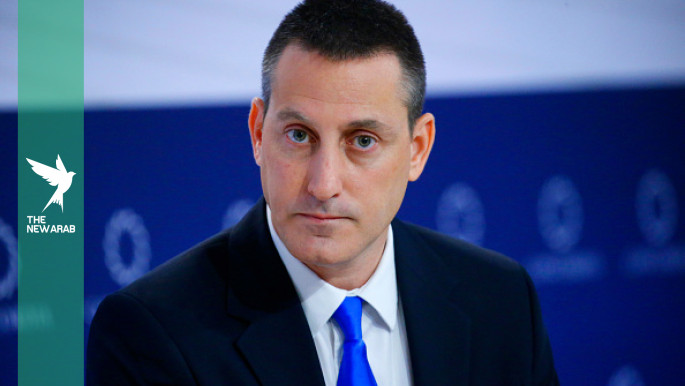
Barak Ravid, a correspondent for Israel’s Channel 12 and the US-based news outlet Axios, appeared in an interview on Lebanese broadcaster LBCI on Friday to discuss ongoing ceasefire negotiations between Lebanon and Israel.
During the interview with LBCI, Ravid discussed behind-the-scenes developments in the ceasefire talks and revealed that he had recently spoken with Ali Hamdan, an adviser to Lebanese Parliament Speaker Nabih Berri – Hezbollah’s closest political ally.
The appearance prompted criticism from some Lebanese social media users, who argued that hosting an Israeli journalist amounted to a form of normalisation.
“I saw it as me doing my job and LBCI doing their job as journalists,” Ravid told The New Arab, when asked what he thought of the backlash by some Lebanese, who considered his appearance to be provocative.
“At the same time, it was a small step towards more dialogue between Lebanese and Israelis. I hope many more such engagements take place,” he added.
Lebanon’s 1955 boycott law criminalises contact with Israelis. US President Donald Trump has said he wished to see this law abolished.
No Israeli journalist or official is known to have previously appeared on a Lebanese television channel, making the interview significant, not only for its political content, but also for the questions it raised about the limits of journalistic practice under Lebanon’s boycott law.
Ravid’s remarks also carried additional significance in Lebanon, as he openly called for similar interviews between Israeli journalists and Lebanese media outlets to take place in the future, despite the continued enforcement of legislation prohibiting contact with Israelis.
Whether LBCI could face legal consequences for hosting Ravid remains unclear.
Lebanese journalists working for foreign broadcasters have previously faced threats of legal action for hosting Israeli officials.
In November 2023, Lebanese news anchor Layal Alekhtiar hosted an Arabic spokesman for the Israeli army via teleconference on the Saudi-owned pan-Arab TV channel Al Arabiya.
Normalisation with Israel remains largely unfavourable in Lebanon, especially among communities directly impacted by the war.
Since fighting resumed between Israel and Iran-backed Hezbollah on 2 March, Israeli forces have deepened their invasion of southern Lebanon, destroying around 70 towns and villages.
Israeli attacks have killed more than 3,500 people in Lebanon in this period, adding to the overall death toll from the conflict that began in October 2023.