Tensions escalated sharply in the Middle East on Friday as the Islamic Republic of Iran declared the closure of the Strait of Hormuz, accusing the United States of breaching a recently signed memorandum of understanding and worsening regional instability.
The announcement was made by the Islamic Revolutionary Guard Corps (IRGC), an entity within Islamic Revolutionary Guard Corps, through maritime radio channels monitored in the Gulf region, according to reports cited by New York Post.
The strategic waterway, the Strait of Hormuz, is one of the world’s most critical oil transit routes, handling a significant share of global crude exports from Gulf producers. Its closure is expected to trigger immediate concerns over energy security and global shipping disruptions.
In its statement, the IRGC alleged that the United States, officially referred to as the United States, violated terms of the agreement signed earlier in the week between Washington and Tehran.
The deal had reportedly been signed between U.S. President Donald Trump and Iranian President Masoud Pezeshkian, with provisions aimed at de-escalating tensions in the region, reopening key maritime routes, and paving the way for broader negotiations, including Iran’s nuclear programme.
However, the IRGC insisted that conditions tied to Israeli military withdrawal from southern Lebanon and the removal of U.S. forces from the Gulf had not been met, rendering the agreement void.
“Any vessel that defies this directive will be targeted,” the IRGC warned, adding that all ships were advised to avoid approaching the strait for safety reasons.
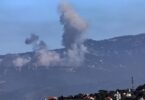
In a related statement, the IRGC-linked media outlet Tasnim News Agency said the closure would remain in force until Israel halts military operations and fully withdraws from Lebanese territory. Israel has continued strikes against Hezbollah positions in southern Lebanon, despite earlier diplomatic understandings.
The Lebanese armed group Hezbollah has remained central to the escalating hostilities, as cross-border attacks and Israeli counterstrikes continue to fuel fears of a wider regional conflict.
The development comes as planned diplomatic talks aimed at stabilising the region were reportedly postponed, further complicating efforts by international stakeholders to revive the fragile agreement and prevent a broader escalation involving Gulf shipping lanes and global energy supplies.
FOLLOW US
FOR MORE HERE