
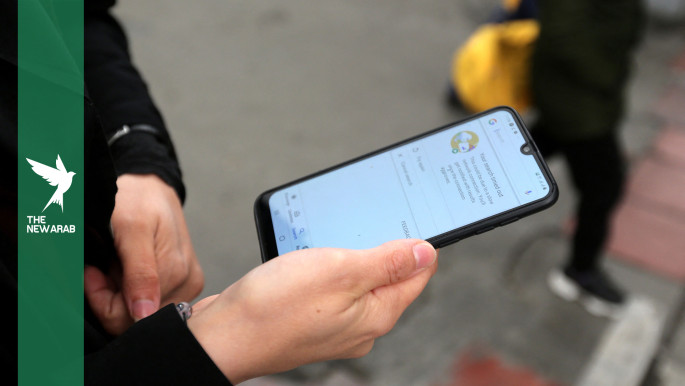
Internet access in Iran is deteriorating at an unprecedented pace, pushing the country further into digital isolation as authorities impose sweeping restrictions following the outbreak of the US-Israel war on 28 February.
Hours after bombs first hit downtown Tehran, internet access across much of the country was effectively cut.
More than two months later, Iran is now experiencing what is being described as one of the “world’s longest nationwide internet blackouts,” with millions cut off from the outside world and unable to access global online services.
Since the war began, authorities have imposed near-total restrictions on international internet access, leaving users largely confined to what officials describe as the “national internet” — a tightly controlled domestic network that only allows access to state-approved websites and services.
For ordinary citizens, the restrictions have transformed daily life.
Communication with relatives and friends abroad has become increasingly difficult, while access to international messaging applications, websites and social media platforms has been severely limited.
Many Iranians now rely almost entirely on state-controlled online infrastructure, deepening fears that the country is becoming more isolated from the rest of the world.
The effects have also been felt across the economy, particularly among e-commerce workers and online businesses.
Without access to international platforms, global internet services and payment systems, many have found it difficult to keep operating normally.
As the blackout continues into a third month, frustration has grown over the impact on livelihoods.
Amid mounting domestic criticism, the Office of the Presidency has attempted to defend the measures. In a statement issued on 26 April, President Masoud Pezeshkian was quoted as strongly opposing restrictions on citizens’ internet access, while insisting that the current measures are temporary.
According to the presidency, the restrictions form part of the so-called ‘Internet Pro’ project, introduced by Iran’s Supreme National Security Council under what officials described as “war conditions”. Authorities have said normal internet access will return once hostilities have ended.
However, public anger has increased over claims that state institutions, official media and certain privileged groups still have global internet access while ordinary citizens remain disconnected.
Critics have labelled it a “two-tier internet”, arguing it reinforces inequality between elites and the wider population.
The blackout has also raised broader concerns about access to information during the war. Although officials continue to justify the restrictions on security grounds, observers believe the measures are also aimed at limiting the circulation of information, images and videos linked to the consequences of the war, while reducing debate on social media platforms.
The battle to stay online
As restrictions have tightened, some citizens have turned to alternative ways to reconnect with the outside world.
Among the most significant has been the smuggling of Starlink systems into the country. The terminals allow users to bypass Iran’s domestic network by connecting directly to SpaceX-operated satellites.
Reports previously cited by The First Post quoted Ahmad Ahmadian, head of the US-based digital rights organisation Holistic Resilience, as saying that SpaceX had waived subscription fees for the service, allowing users with receiving equipment to connect to the internet free of charge.
Yet the use of Starlink has become increasingly risky.
Last year, Iran introduced a law criminalising the use, purchase, or sale of Starlink devices, with penalties of up to two years in prison, while importing or distributing more than 10 devices can lead to prison terms of up to 10 years.
State media has reported several arrests linked to the sale and purchase of Starlink terminals, including the detention last month of four individuals — among them two foreign nationals — accused of importing satellite internet equipment into the country.
Iranian intelligence services are also reported to be actively tracking satellite internet devices, confiscating equipment and prosecuting those found in possession of them.
Authorities have said operations targeting Starlink systems will continue until “all” such devices are seized, describing them as being “used in the service of the enemy.”
Despite government restrictions, a market for Starlink terminals continues to operate in Iran, with activity also seen on a Persian-language Telegram channel called NasNet, showing how far some Iranians are willing to go to reconnect to the global internet.
Ultimately, for many Iranians, the prolonged blackout has come to represent more than a temporary wartime measure.
With millions unable to communicate freely, access information or fully participate in the global digital economy, fears are growing that the country’s tightening internet controls are evolving into a more permanent form of digital isolation.
(Additional reporting from the Associated Press, The New Arab)
Article translated from Arabic by Afrah Almatwari. To read the original, click here