
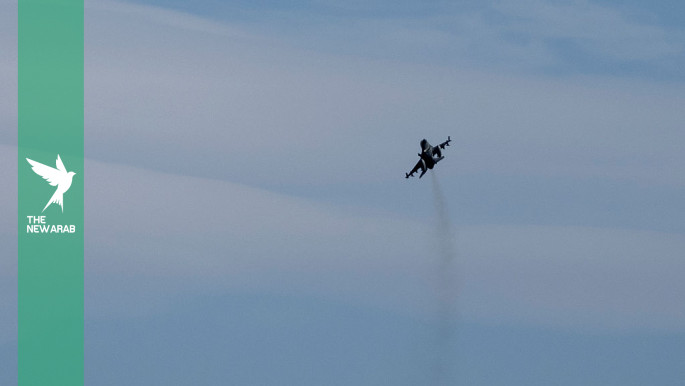
Israel has previously struck Iran’s energy facilities, including the South Pars gas field [Amir Levy/Getty Images]
Israel is reportedly making preparations to strike Iran’s energy facilities amid concerns that the US and Iran will resume hostilities after the current ceasefire ends on Wednesday.
Israeli news outlet Maariv reported on Sunday that the US and Israel were coordinating attack preparations in case the ceasefire is not extended, which depends on upcoming negotiations between Washington and Tehran in Pakistan.
“There is close coordination between the two sides, and if fighting resumes, the targets will also include Iranian energy facilities,” Israeli paper Maariv reported on Sunday, citing a military source.
Israel has previously struck Iran’s energy facilities, including the South Pars gas field, the world’s largest, as well as oil and petrochemical facilities.
The Bushehr nuclear power plant has also been attacked four times since the start of the war, with one employee being killed.
Mediator Pakistan is attempting to host another round of negotiations between the US and Iran in Islamabad following last week’s failed talks, in a bid to avert a resumption of the war.
On Sunday, Trump again threatened to destroy Iran’s infrastructure if it didn’t sign a deal, saying: “We’re offering a very fair and reasonable DEAL, and I hope they take it because, if they don’t, the United States is going to knock out every Power Plant, and every single Bridge, in Iran.”
In comments made to Fox News, Trump doubled down on the threat, adding, “If Iran does not sign this deal, the whole country is getting blown up.”
Trump also said that the US would be sending a negotiating team, including Steve Witkoff and Jared Kushner, to Islamabad.
However, Iranian media reported that the Iranian government hasn’t made a decision, citing the ongoing US naval blockade, which Tehran says is a violation of the ceasefire.
Iran’s Speaker of Parliament, Mohammad Bagher Ghalibaf, also said that there were major differences in the negotiating positions between the two sides.
A collapse of the ceasefire is set to exacerbate the ongoing blockade of the Strait of Hormuz, which is stopping the entry of 20 per cent of the world’s oil and gas onto the global market, causing a global energy crisis.