
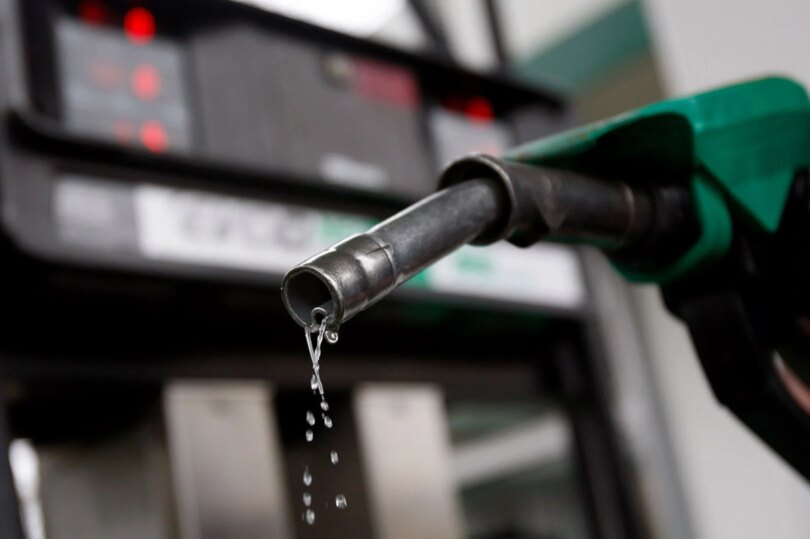
Many civil servants in the Federal Capital Territory, FCT, say the increase in the pump price of petrol has raised transportation fares and put additional pressure on their livelihoods.
The civil servants made this known in an interview with NAN in Abuja on Friday.
A litre of petrol which was sold between N1,180 and N1350 is now selling for between N1,388 and N1,450 in the FCT.
Mrs Falmata Musa said the increase had significantly affected the amount she spent on transportation to and from work daily.
“Before, I used to spend N2,500 on transportation daily, but since this increase, I now spend N3,500 ,” she said.
Musa added that the situation had affected her household expenses as more money was now being spent on transportation.
Mrs Comfort Abegunde said the petrol price hike had significantly increased her daily transportation costs, forcing her to divert money meant for food and other household needs to transport fares.
“Higher fuel costs have also pushed up food prices, while some private car owners can no longer afford to fuel their vehicles and have resorted to public transportation.
“The situation has also affected my attendance at the office as I presently struggle to secure affordable transportation to work, which affects my productivity,” she said.
According to her, salaries have not increased at the same pace as the cost of living, leaving civil servants struggling to manage their limited incomes amid rising expenses.
Mr Olamide Ibrahim told NAN that he presently carried passengers to get additional money for fuel but had stopped because the rising fuel prices had made it difficult for him to drive to town.
“I normally buy fuel of N24,000 daily to and from work, but since this recent hike, I have to buy same quantity at N33,500 daily.
“Everybody is now looking for cheaper means to survive. That is why I have decided to stop driving to work,” he added.
Muhammad Lawal said workers were already dealing with the rising cost of living, and the increase in transportation costs had made it more difficult to manage their monthly salaries.
“I now spend more on transportation to and from work, leaving me with less money for food, school expenses, utility bills and other household needs.
“My salary has remained the same while the cost of transportation and other essential items continue to rise,” he said.
Another civil servant, Shim Felix, said the recent increase in petrol prices had increased his transportation costs, putting serious strain on his daily income.
“Every day, I spend more money on transportation. It is taking a significant part of the income I normally use for food, bills and other basic needs,” he said.
Felix said the situation was very difficult for workers who depended on public transportation, as increase in fuel prices was often followed by higher transport fares.
“Even when I try to reduce my expenses, I still have to report to work, so transportation is not something I can completely avoid,” he said.
He added that the challenge was not simply about buying petrol but how much of his income was being consumed by the rising cost of living.
Some of the workers said they had resorted to measures such as carpooling, using cheaper means of transportation like train, staff buses and cutting other expenses to cope with the situation.
The civil servants urged the government to introduce measures that would improve public transportation and reduce the cost of living to ease the burden on workers.(NAN)