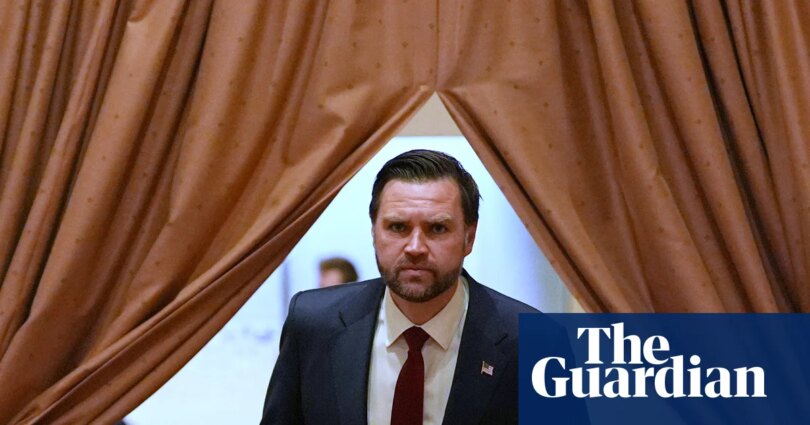
JD Vance’s planned trip to Islamabad, where he was expected to lead talks with Iran about a nuclear deal to end the war, was put on hold on Tuesday after Tehran failed to respond about its participation, according to two people familiar with the matter.
The US vice-president was scheduled to depart on Tuesday morning for a second round of negotiations on Wednesday, the final day of a fragile two-week ceasefire between the United States and Iran.
But Iran had not confirmed it would participate as Vance’s departure time crept closer. Without an Iranian response, the diplomatic process was effectively in limbo, and the White House would not send Vance unless there was a definitive plan for a meeting with the Iranians, the people said.
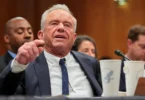
The trip has not been canceled and Vance could travel immediately should Iran respond, the people said. On Tuesday afternoon, Vance was seen arriving at the White House for emergency meetings, which Marco Rubio, the US secretary of state, was also set to attend.
The delay marks the latest hurdle in the Trump administration’s effort to secure a nuclear deal with Iran – and every hour Vance remains in Washington threatens to plunge the US and Iran back into a conflict upon the expiration of the ceasefire.
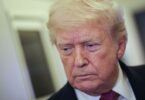
Donald Trump has told advisers in recent days he would not extend the ceasefire until Iran reopened the strait of Hormuz, the Guardian has previously reported. Iranian officials, for their part, have said they are unwilling to engage in new talks until the US ended a blockade of their ports.
Speaking in an interview with CNBC’s Squawk Box on Tuesday, Trump reiterated publicly that he did not intend to extend the ceasefire and announced that he expected to resume bombing Iran.
“I expect to be bombing because I think that’s a better attitude to go in with,” Trump said. “We’re ready to go. The military is raring to go.”
Asked if he would extend the ceasefire, he replied: “I don’t want to do that. We don’t have that much time.”
Despite his sharp tongue, the US president said he believed a deal was still possible. Trump’s negotiating team – led by Vance, special envoy Steve Witkoff and Trump’s son-in-law Jared Kushner – has also expressed optimism that a deal could reached with Iran, people familiar with the matter said.
The previous round of negotiations in Islamabad was heavily focused on a possible deal in which the US would release $20bn in frozen funds or in equivalent sanctions relief if Iran transferred its stockpile of highly enriched uranium to the US, the people said.
Trump’s negotiators believe a cash-for-uranium deal has the best chance to succeed because money was the best incentive for Iran’s leaders as they grapple with an economy battered by sanctions and the economic costs of the current conflict, the people said.
Despite Trump agreeing to such a framework at the time – Vance liaised with the president throughout the process via conference call to make sure any deal had his blessing, the people said – on Friday he announced publicly he would not release any funds to Iran.
The whiplash and confusion between war and peace talk has become the hallmark of Trump’s approach to the war.
On Monday, Trump bounced between a potential deal being close and warning that “lots of bombs” would “start going off” if negotiations failed. Earlier in the month, he threatened extinction on “a whole civilization” of Iran, and that its civilians were actively welcoming US strikes on the country’s infrastructure.
Meanwhile in Tehran, Iran’s parliamentary speaker, Mohammad Bagher Ghalibaf, posted on X early on Tuesday that “we do not accept negotiations under the shadow of threats”, while accusing Washington of seeking Iranian surrender rather than a genuine settlement.