
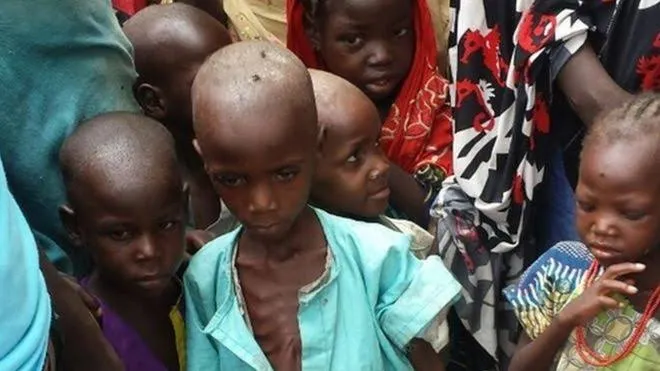
Kaduna State requires ₦17.34 billion between 2026 and 2030 to tackle malnutrition and save an estimated 23,304 additional child lives.
Ridwan Awosanya, Programme Manager of Civil Society Scaling-Up Nutrition in Nigeria (CS-SUNN), National, disclosed this on Tuesday in Kaduna, while presenting the Kaduna State Nutrition Investment Case at the 2026 Nutrition Investment Summit.
The summit, organised by CS-SUNN under the theme, “Investing in Nutrition, Securing the Future: Mobilising Sustainable Financing for Human Capital Development,” focused on sustainable financing for nutrition interventions.
The investment case identified a projected financing gap of ₦14.53 billion over five years if the state maintains its current level of nutrition spending.
It estimated that the state would require ₦17.34 billion to implement priority nutrition interventions, against approximately ₦2.81 billion available at the 2025 spending level.
The report also projected an economic return of approximately ₦12 for every ₦1 invested, translating to about ₦209.7 billion in lifetime productivity value.
Awosanya said the investment was critical to reducing maternal and child deaths, improving nutritional outcomes and strengthening the state’s human capital development.
The report showed that 40.7 per cent of children under five in Kaduna were stunted, representing 865,913 children.
It also indicated that 24.7 per cent of children under five were underweight, while 5.9 per cent experienced wasting.
Additionally, anaemia affected 60 per cent of children under five and 45 per cent of pregnant women, while approximately 25,000 cases of severe acute malnutrition were expected annually.
The investment case projected that scaling up interventions by 2030 could reduce under-five mortality from 106 to 67 deaths per 1,000 live births.
It also projected a reduction in stunting from approximately 39.9 per cent to 29.6 per cent, while anaemia among pregnant women could decline from 45 per cent to 18 per cent.
The report identified improved breastfeeding, maternal nutrition, micronutrient supplementation, vitamin A coverage, diarrhoea management and treatment of severe acute malnutrition as priority interventions.
It further recommended increased budgetary allocations, improved fund releases, stronger primary healthcare financing and performance-based grants for the state’s 23 Local Government Areas.
Earlier, Gov. Uba Sani, represented by his deputy, Dr Hadiza Balarabe, reaffirmed the state government’s commitment to improving maternal and child nutrition.
He said malnutrition was not merely a health challenge but also a threat to human dignity, economic productivity and the future development of Kaduna State.
The governor said findings from the 2023-2024 Nigeria Demographic and Health Survey indicated that approximately 40 per cent of children under five in the state were stunted.
He emphasised the need for stronger maternal, infant and young child nutrition services, improved exclusive breastfeeding and expanded access to micronutrient supplementation.
He also called for sustainable financing, stronger private-sector partnerships and effective accountability to ensure approved funds translated into improved nutrition services.
The governor urged development partners to sustain their support through funding, technical assistance, research, innovation and capacity development.