
The lawyers said a strong, fair, and efficient judiciary was vital for the rule of law and democracy in Nigeria.
Some lawyers on Thursday said that while Nigeria’s judiciary has recorded improvements, the implementation of reforms remains uneven across the country.
Kehinde Nubi, Principal Counsel at Kehinde Nubi and Associates, also spoke with NAN in a separate interview.
They identified increased financial autonomy for the judiciary as a key reform, noting that it had reduced undue interference from the executive arm of government.
They also cited the deployment of technology, including e-filing and virtual sittings, as measures improving the speed and efficiency of court processes.
Mr Nubi said virtual hearings gained prominence during the COVID-19 pandemic and have remained in use.
“In 2020, the National Judicial Council permitted courts to conduct virtual sittings.
“The courts also affirmed their validity in Lagos State vs. Attorney-General of the Federation (2020),” he said.
He added that virtual hearings were useful in matters such as child custody and divorce, where necessary facilities were available.
On criminal justice administration, the lawyers said many states had adopted versions of the Administration of Criminal Justice Law, thereby reducing delays in some jurisdictions.
Ms Opara said Lagos State had made progress with e-filing and online cause lists, but noted that many courts still relied on manual processes.
“What currently exists is a hybrid of digital and manual systems,” she said.
According to Mr Nwoke, while the reforms are commendable, implementation remains inconsistent nationwide.
“There have been improvements in some courts, particularly in technology and case management.
“However, until they are fully implemented nationwide, their impact will remain limited,” he said.
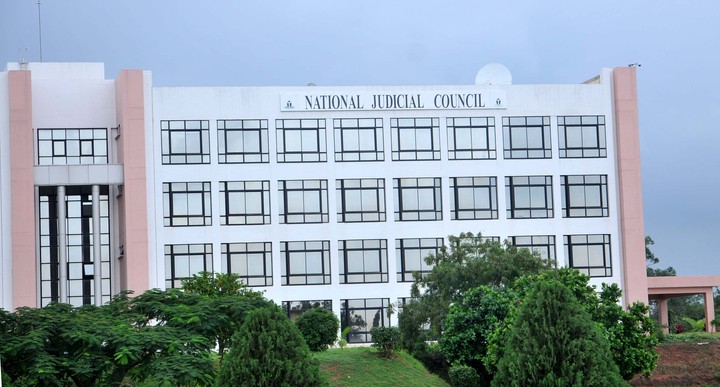
The lawyers commended the National Judicial Council for promoting discipline and accountability within the judiciary.
However, they identified persistent delays in case adjudication as a major concern.
Other challenges they highlighted include inadequate infrastructure, high cost of legal services, and difficulties in enforcing court judgments.
According to them, more needs to be done to ensure effective and uniform implementation of reforms nationwide.
They said a strong, fair, and efficient judiciary is vital for the rule of law and democracy in Nigeria.
(NAN)