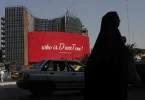
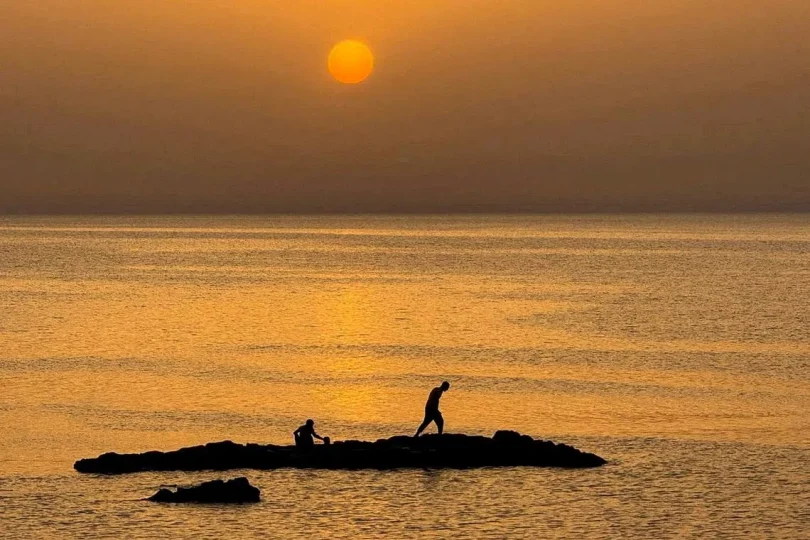
LIBYA – Temperatures in Libya soared on July 27, a day after hundreds of residents protested in Tripoli and its suburbs against power cuts resulting from the intense heat.
The national meteorological centre announced temperatures ranging from 39 deg C to 48 deg C in the country’s north, where temperatures are generally milder than in the desert areas.
Scientists say climate change is making extreme weather events more frequent and intense.
Power outages used to be a regular occurrence in the north African country, but the last three years have brought marked improvement.
The return of power cuts is all the harder to bear because it affects the water supply, economy and telecommunications networks.
“The power cuts last between six and seven hours. We are forced to use the generator and boost the refrigeration of goods, to prevent them from spoiling,” butcher Anas Al-Deeb told AFP.
Libya holds Africa’s largest oil reserves but its power grid suffers from a lack of investment and from the country’s political divisions.
In Tripoli and its suburbs, hundreds of residents protested on Sunday evening in front of government offices, ministries and state-owned companies, blocking entrances by dumping rubble or sand.
Images circulating on Facebook showed young people setting tyres on fire and blocking roads in the city centre, as well in the towns of Tajura, Janzur and Ain Zara.
As in neighbouring Tunisia, which has also experienced long outages this year due to heatwaves and greater use of air conditioning, the General Electricity Company of Libya has resorted to rolling blackouts, sometimes implementing them twice in one day.
Bottling plants for drinking water have been forced to halt production, as repeated power cuts and a lack of fuel to run backup generators have severely disrupted their operations.
In Libya, tap water is not drinkable, and a litre of water is more expensive than a litre of gasoline.
AFP journalists have observed the price of bottled water double in less than a week, and many points of sale in Tripoli have been out of stock over the past two days.
The Dajla water plant in the Wadi al-Rabii suburb of Tripoli reported “major difficulties affecting the production process” because of fuel supply, but in a statement on Sunday said it expected to resume production soon. AFP