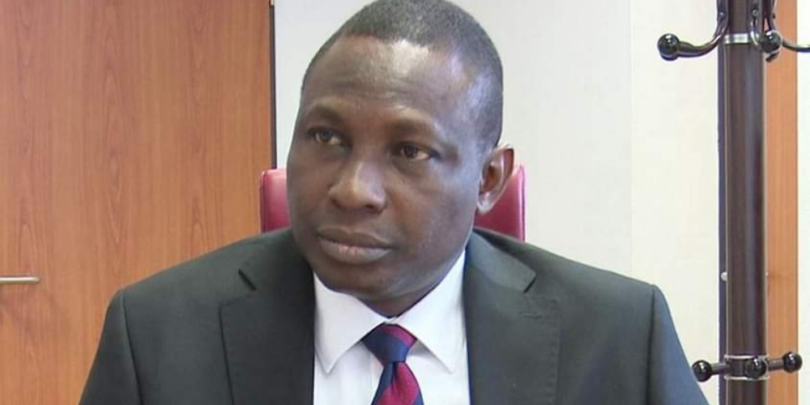
The Chairman of the Economic and Financial Crimes Commission (EFCC), Ola Olukoyede, has raised concerns over the number of pastors, imams and other religious figures appearing in the Commission’s financial crime case files.
Olukoyede spoke on Wednesday at the 2026 Second Council Meeting of the Nigeria Inter-Religious Council (NIREC) in Abuja, themed “Shared Sacred Flourishing in Nigeria,” where he urged religious leaders to uphold integrity and ensure their conduct reflects the values they preach.
The EFCC chairman said the Commission’s case files contained several suspects identified by religious titles, including pastors and imams, with some already convicted and serving prison sentences.
“I advocated for a review of the titles we give to men of God. Maybe, if it is possible for us to remove those titles, pastor and imam. You know why? I have my case files full of these titles,” Olukoyede said.
He said some individuals continued to be addressed as pastors or imams even after being convicted of financial crimes and sent to prison.
Olukoyede warned that religious titles should not shield anyone from investigation or prosecution, stressing that those involved in financial crimes would be treated according to the law regardless of their religious status.
“So if you think you’re a Christian or you’re a pastor here, and you commit financial crime, I will be your enemy. I won’t be your friend,” he said.
The EFCC chairman said religious leaders should be judged by their conduct and the values they demonstrate rather than the titles they carry.
He urged churches and mosques to strengthen internal controls and regulatory compliance to prevent the misuse of funds entrusted to religious organisations.
Olukoyede also warned religious leaders against diverting tithes, offerings, zakat and other funds belonging to religious organisations into private businesses, describing such conduct as criminal.
He called on religious institutions to establish mechanisms that promote transparency and accountability in the management of their finances.
Olukoyede said religious leaders had an important role to play in the fight against corruption because their conduct could influence the behaviour of their followers.