
MICHAEL AKINOLA
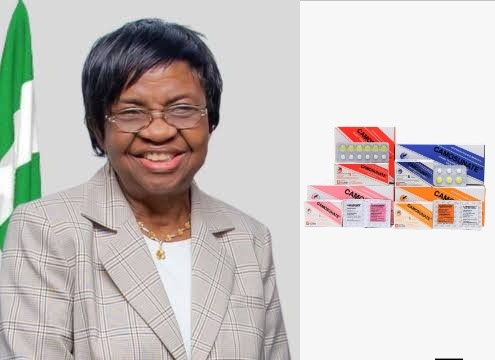
The National Agency for Food and Drug Administration and Control (NAFDAC) has dismissed reports claiming that Camosunate, an antimalarial medicine containing artesunate and amodiaquine, has been banned in Nigeria, describing the claims as false and misleading.
In an official press statement dated November 21, 2026, the Agency categorically clarified that Camosunate has not been banned in Nigeria, stressing that it has neither prohibited the brand nor medicines containing the artesunate-amodiaquine combination. The clarification follows the circulation of unverified reports on social media suggesting that the medicine had been prohibited by the regulatory agency.
Addressing the claims, NAFDAC explained that although some symptoms mentioned in the reports may fall within the medicine’s recognised side-effect profile, they do not constitute evidence of a regulatory ban or withdrawal from the Nigerian market. The Agency said the circulation of such reports had created unnecessary fear among patients and members of the public who depend on the medicine for the treatment of malaria.
Reassuring the public, the Agency urged Nigerians not to mistake information about possible adverse drug reactions for an official prohibition, reaffirming that Camosunate remains unbanned in the country. NAFDAC said it remains committed to ensuring that only safe, effective and quality medicines are available to Nigerians, and that any decision to ban or withdraw a medicine would be communicated through its official channels.
NAFDAC also encouraged patients, healthcare professionals and members of the public to report suspected adverse drug reactions through its Med Safety App, available on Android and iOS devices, or at the nearest NAFDAC office. The Agency said reporting suspected reactions helps it to monitor the safety of medicines on the Nigerian market and to take timely regulatory action where necessary.
Warning against the spread of misinformation, the Agency appealed to Nigerians to stop circulating the false reports and urged those who had previously shared them to use the same platforms to disseminate its official clarification. NAFDAC noted that misinformation about medicines can discourage patients from completing their treatment, delay access to care, and worsen public health outcomes.
The statement, issued by NAFDAC Director-General and Chief Executive Officer, Prof. Mojisola Adeyeye, PhD, FAS, provides an authoritative response to growing public concerns surrounding the antimalarial medicine. The Agency said the clarification became necessary to correct the record and to reassure Nigerians who may have been misled by the unverified reports.
The clarification is particularly important as malaria remains a major public health challenge in Nigeria, making access to accurate information about medicines essential to effective treatment and disease control. Nigeria accounts for a significant proportion of global malaria cases, and antimalarial medicines such as artesunate-amodiaquine combinations remain among the recommended treatments for uncomplicated malaria in line with national treatment guidelines.
Health experts say patients who are on antimalarial treatment should complete their prescribed dosage as directed by a healthcare professional, unless otherwise advised. They also advise patients to seek medical attention if they experience unusual symptoms after taking any medicine, rather than stopping treatment based on unverified social media reports. They add that suspected side effects should be reported promptly to enable proper evaluation by regulatory authorities.
NAFDAC’s position is clear: Camosunate has not been banned in Nigeria. The Agency therefore urged the public to rely on verified regulatory information, seek professional medical guidance and report suspected adverse reactions through established channels rather than allow unverified claims to create unnecessary fear.
The Agency further advised members of the public to verify health-related claims from NAFDAC’s official website, verified social media handles and press statements before sharing them. It said members of the public should also confirm the authenticity of medicines by checking for NAFDAC registration numbers, batch numbers, manufacturing and expiry dates, and by purchasing medicines only from licensed pharmacies and authorised outlets.
As at the time of filing this report, NAFDAC has not issued any directive banning Camosunate or any medicine containing the artesunate-amodiaquine combination in Nigeria.